Edvard Munch
1863–1944 · Symbolism, Expressionism
Edvard Munch (1863–1944) was a Norwegian painter whose work bridges Symbolism and Expressionism. His images of love, anxiety, illness and death, above all The Scream, turned private emotion into a visual language that still feels immediate. This gallery follows him from early scenes painted from observation to his late self-portraits.
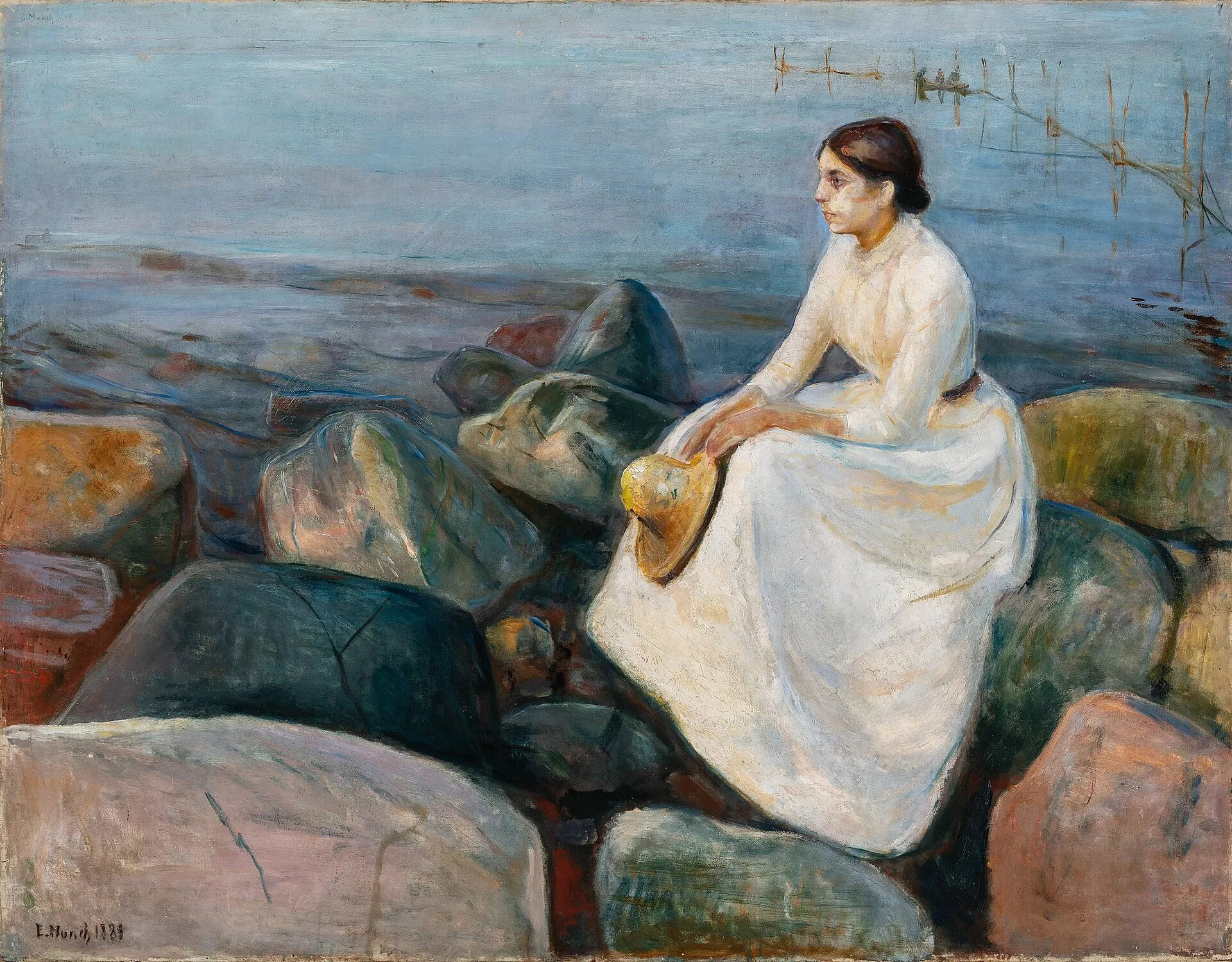 Inger on the Beach1889
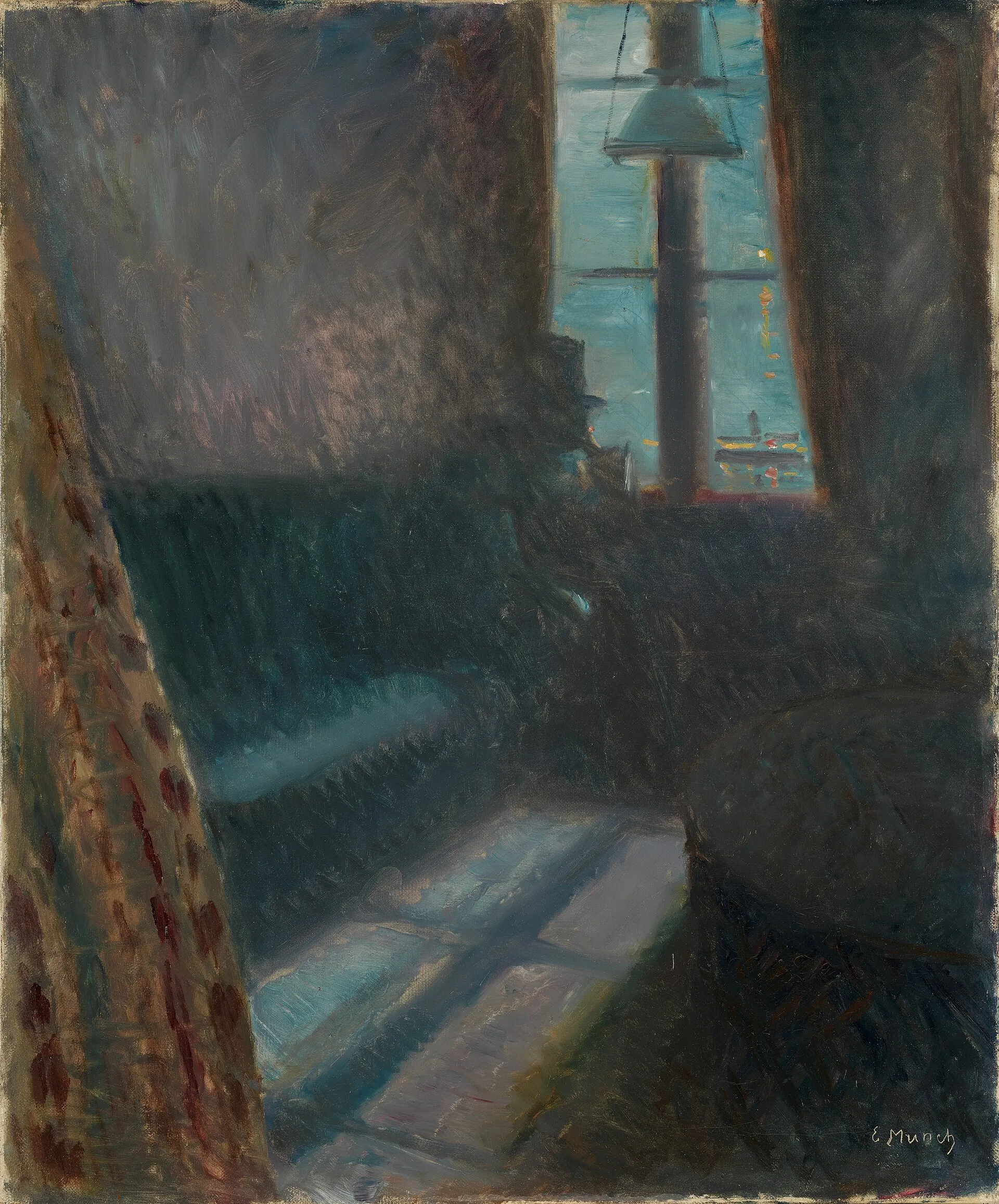 Night in Saint-Cloud1890 · National Museum of Art, Architecture and Design
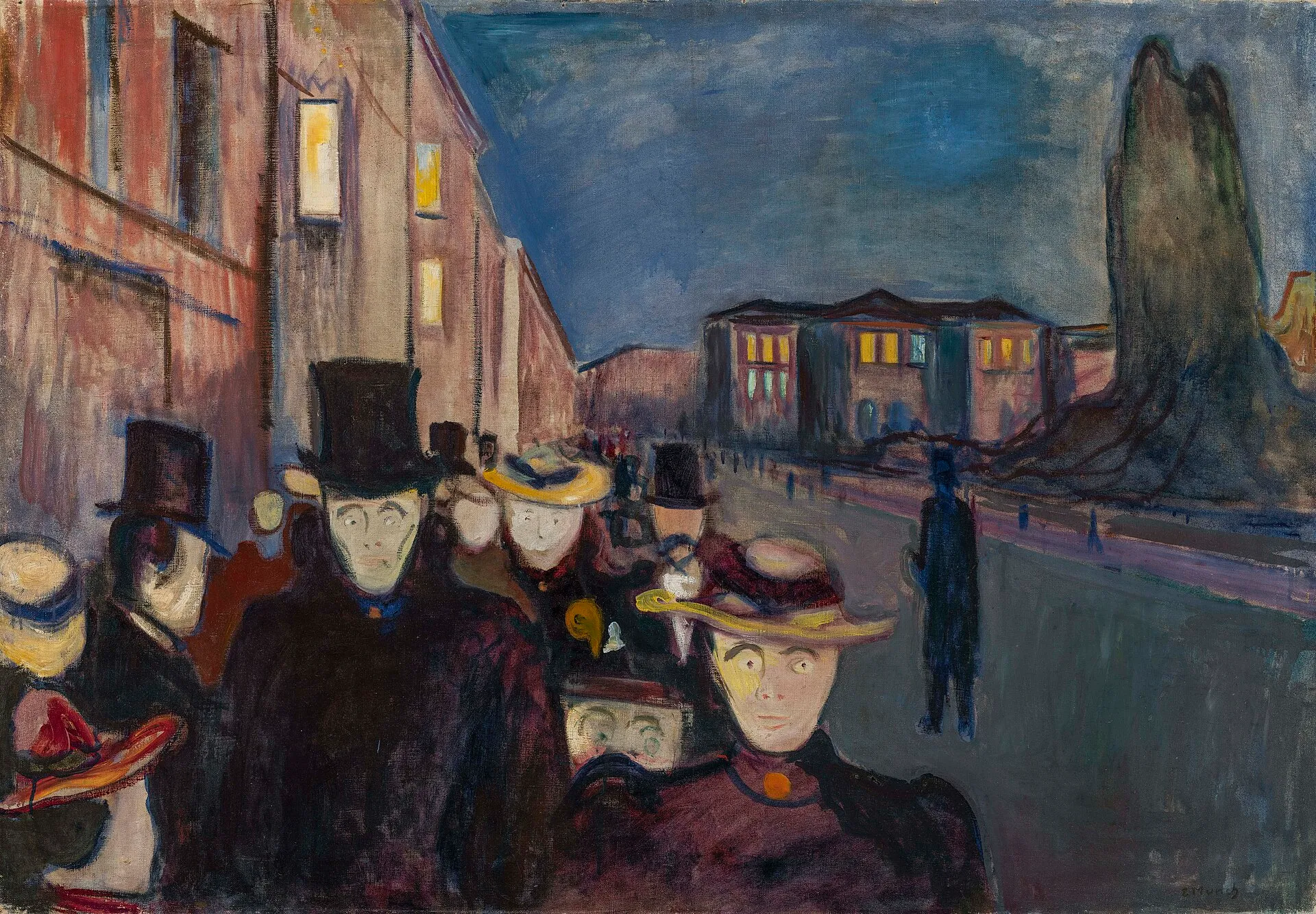 Evening on Karl Johan1892
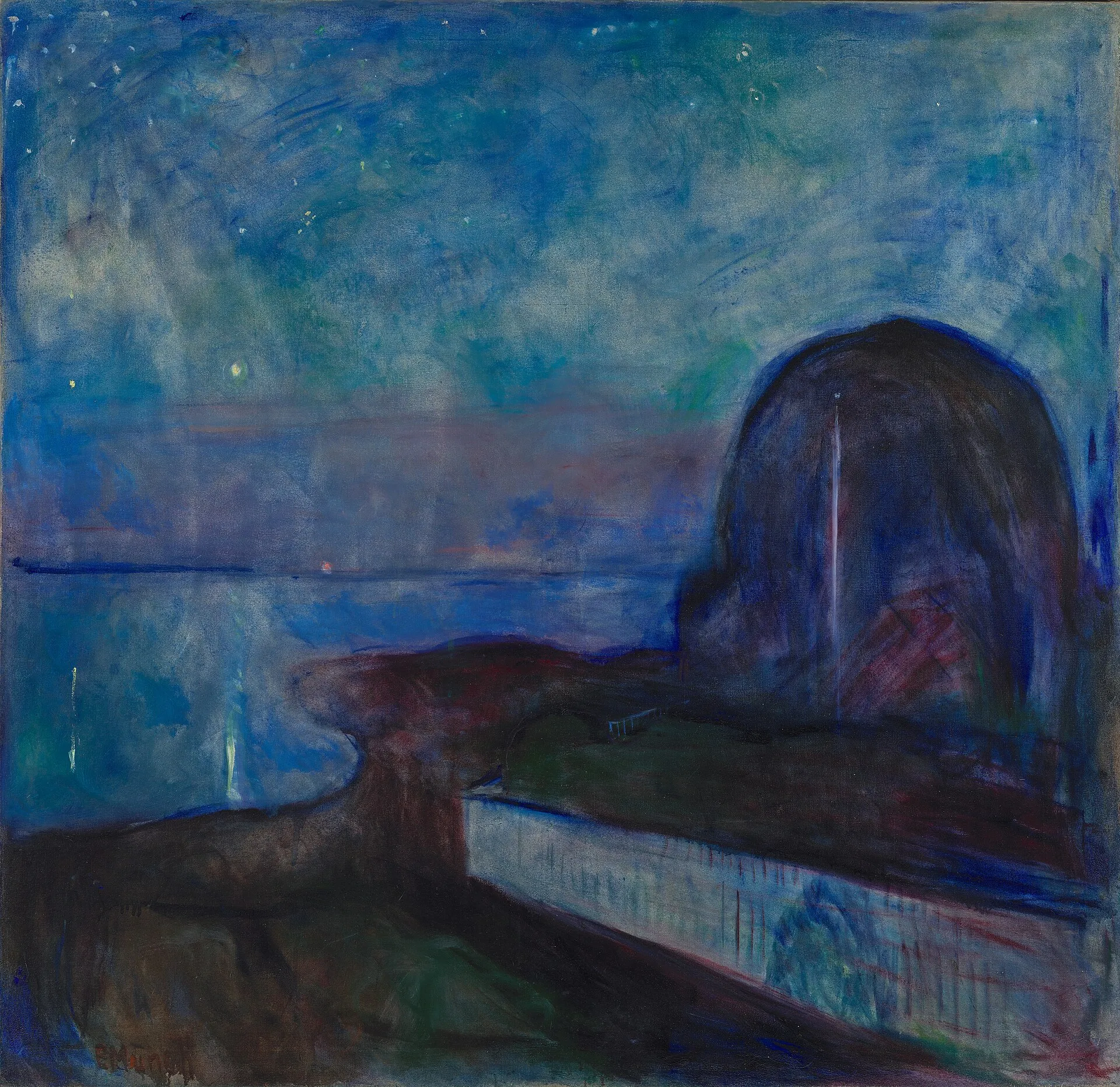 Starry Night1893 · J. Paul Getty Museum
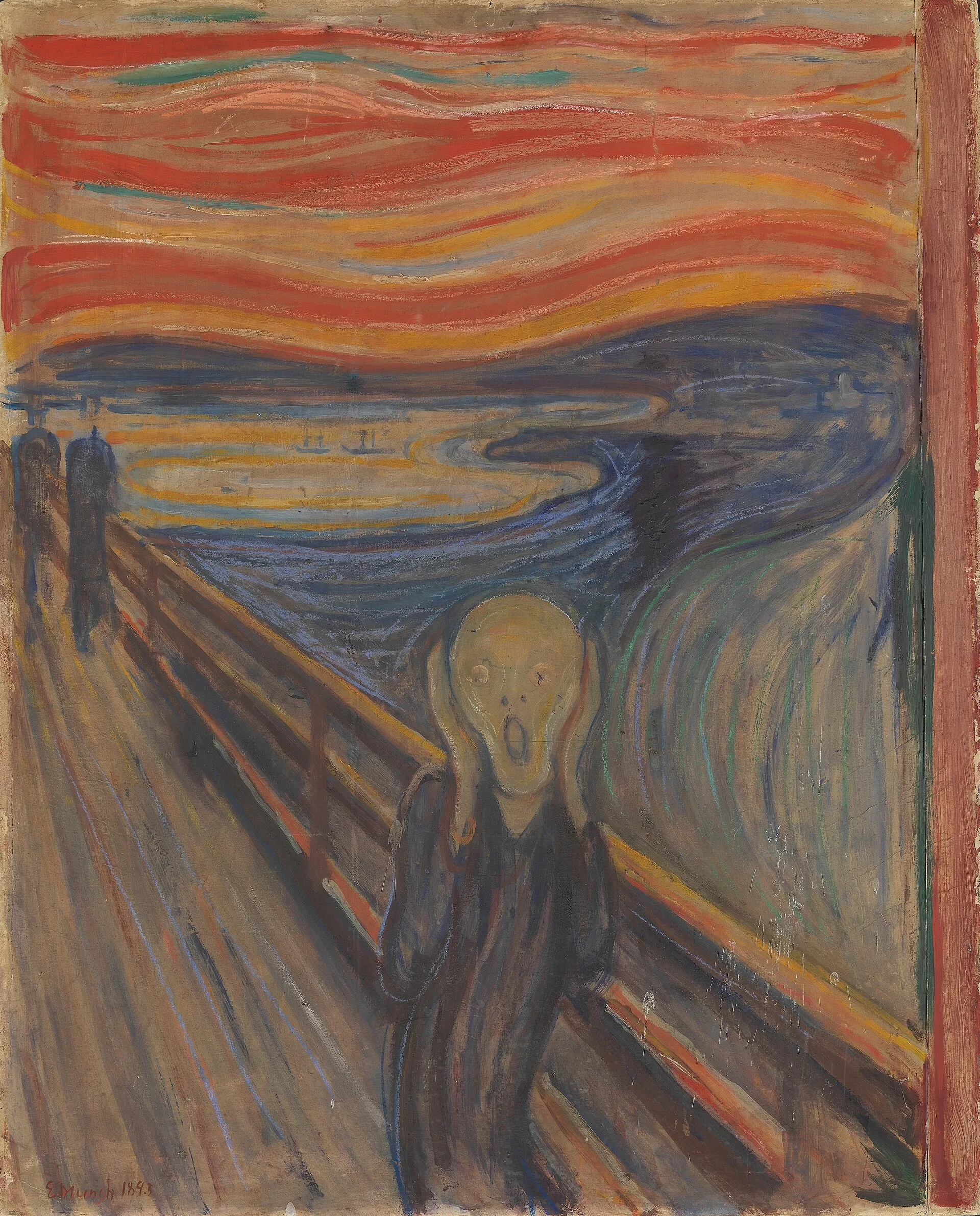 The Scream1893 · National Museum of Art, Architecture and Design
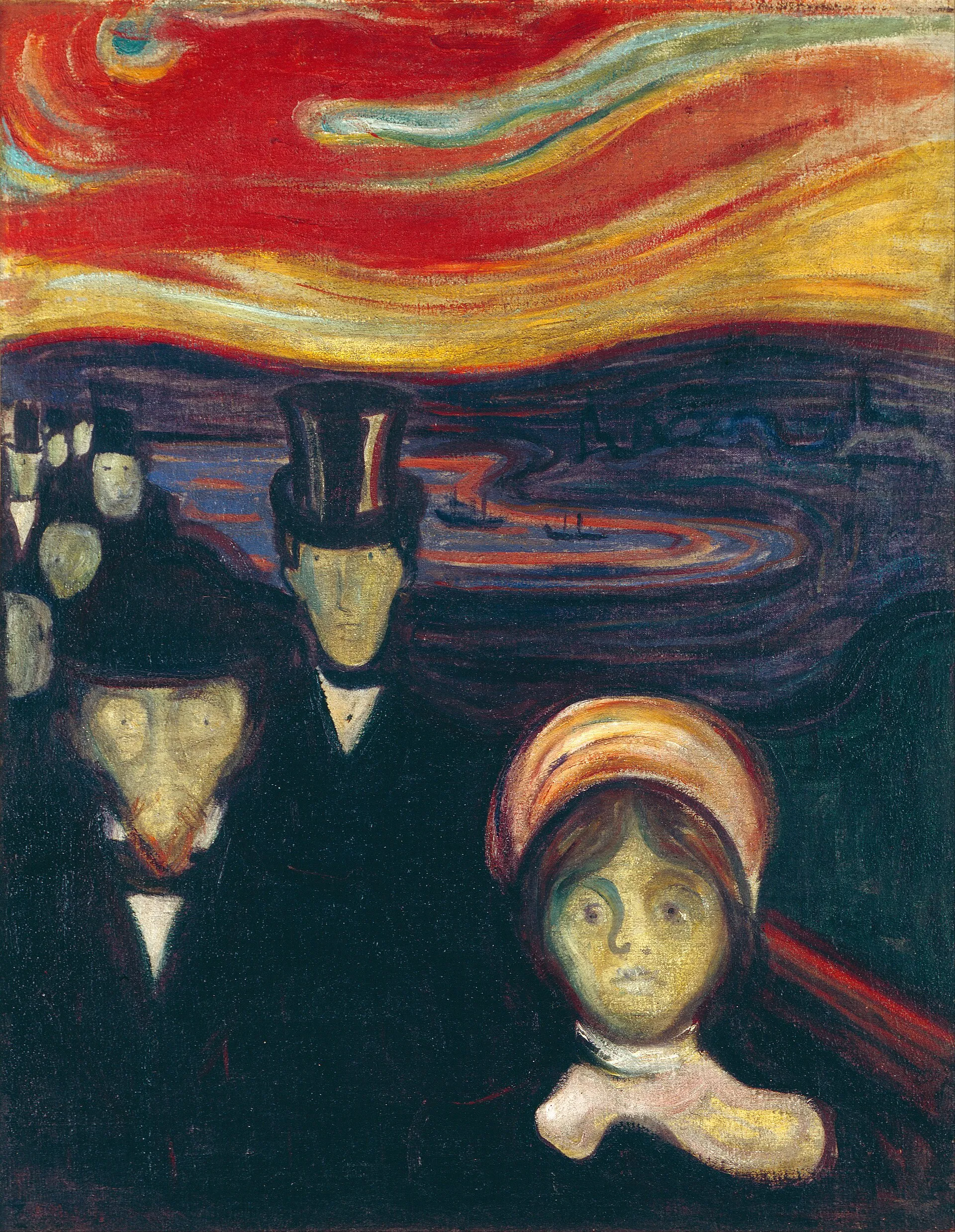 Anxiety1894 · Munch Museum
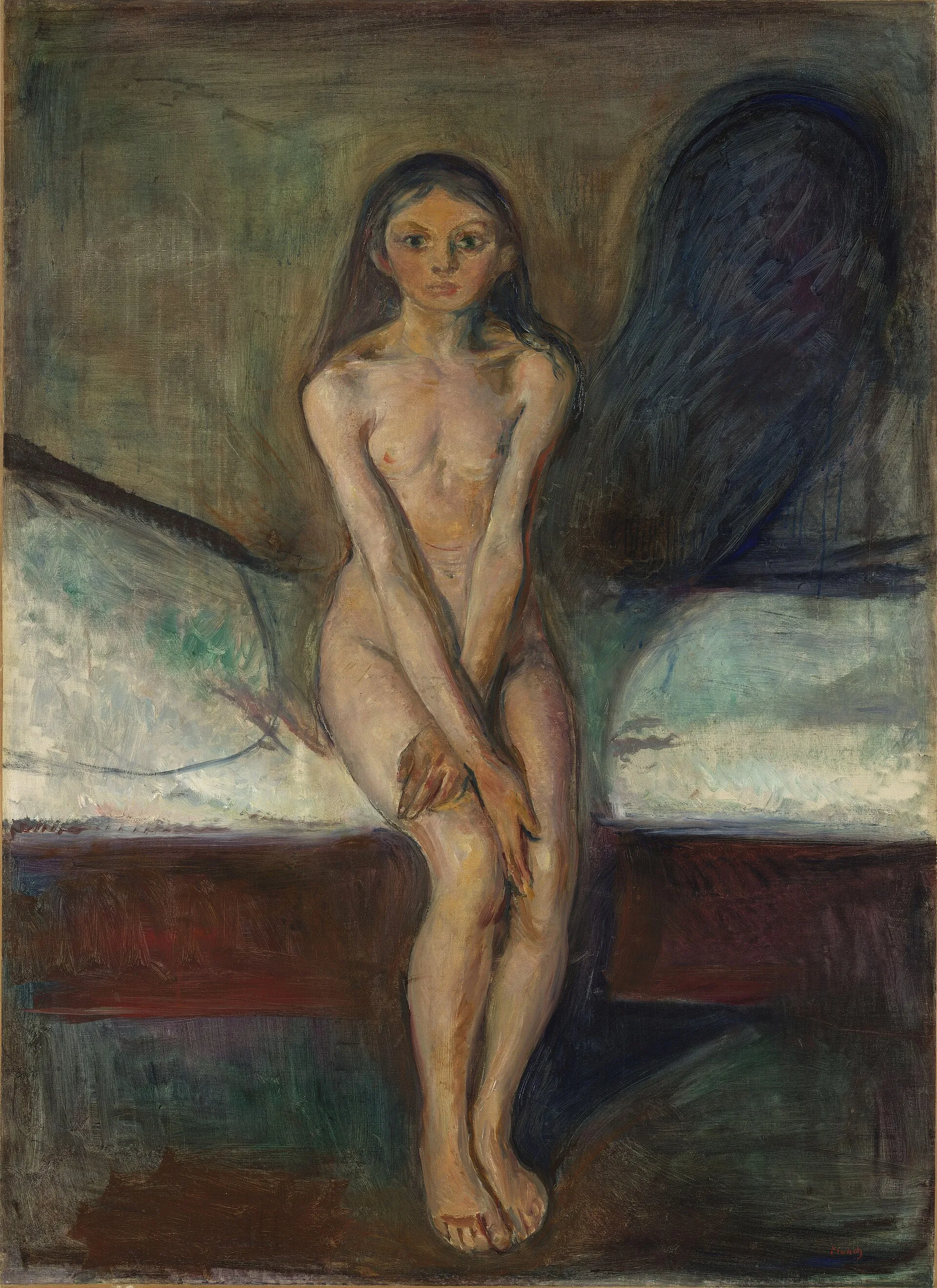 Puberty1895–1896 · National Museum of Art, Architecture and Design
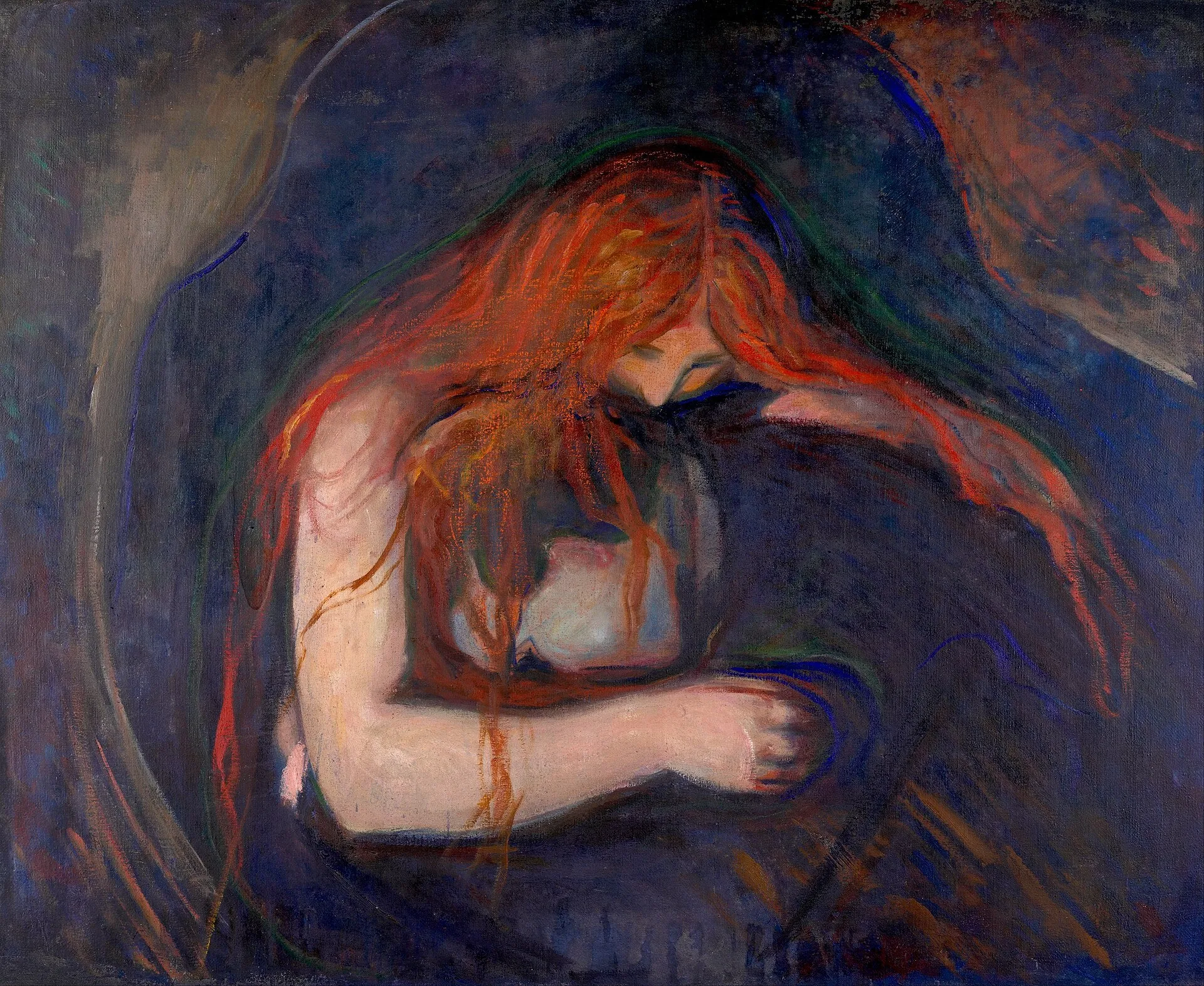 Vampire1895 · Munch Museum
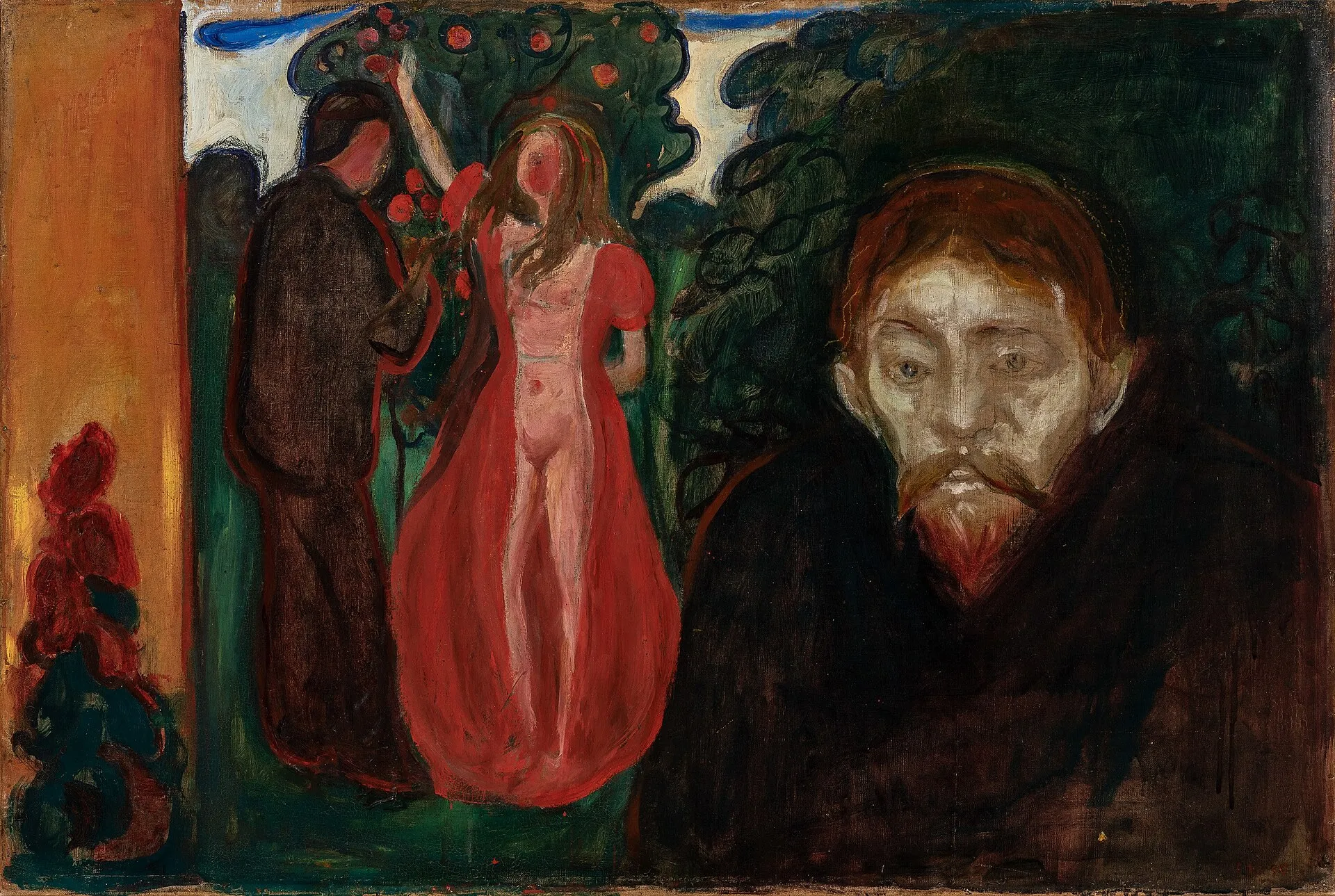 Jealousy1895
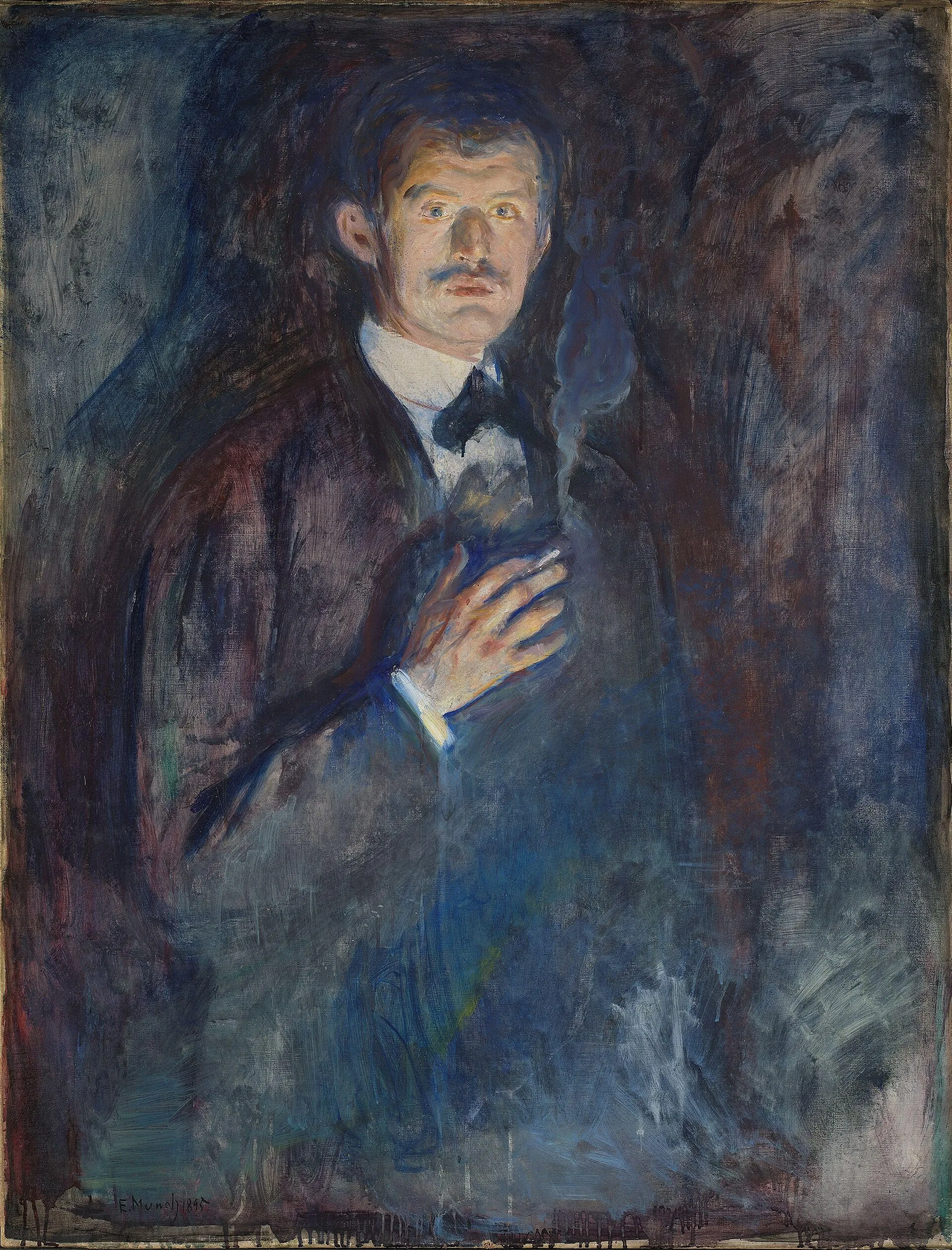 Self-Portrait with Cigarette1895 · National Museum of Art, Architecture and Design
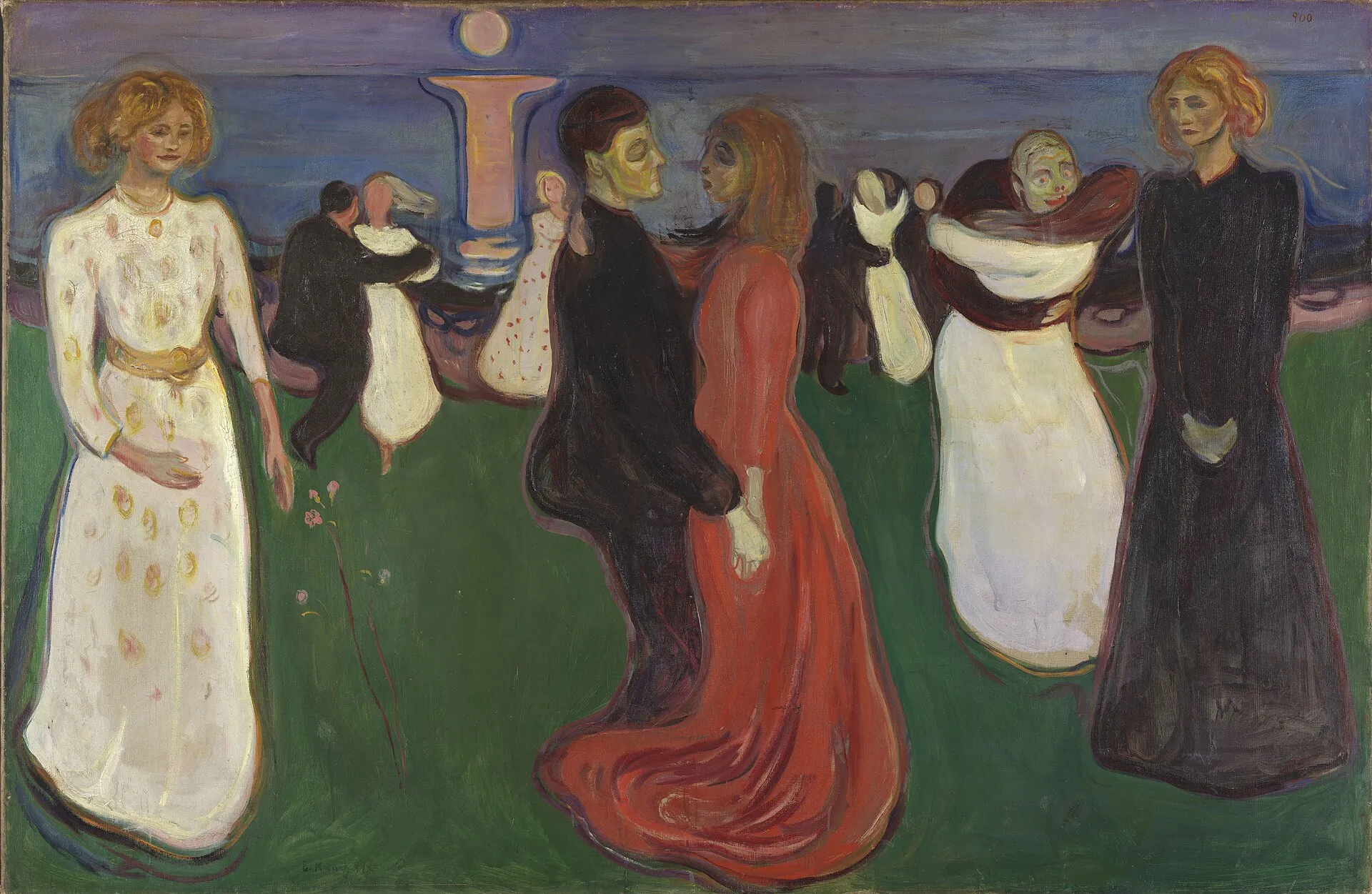 Dance of Life1899–1900 · National Museum of Art, Architecture and Design
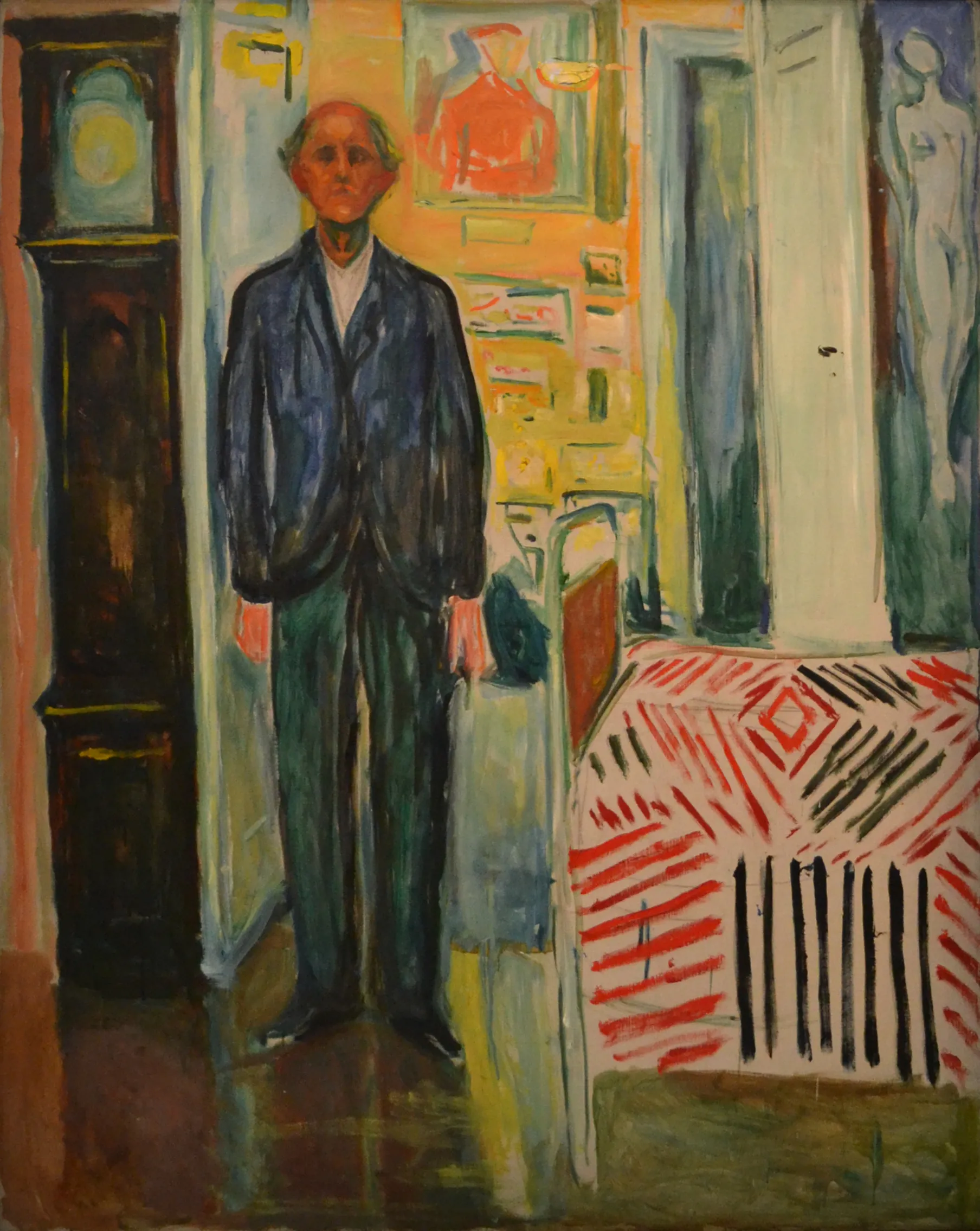 Self-Portrait. Between the Clock and the Bed1940–1944 · Munch Museum
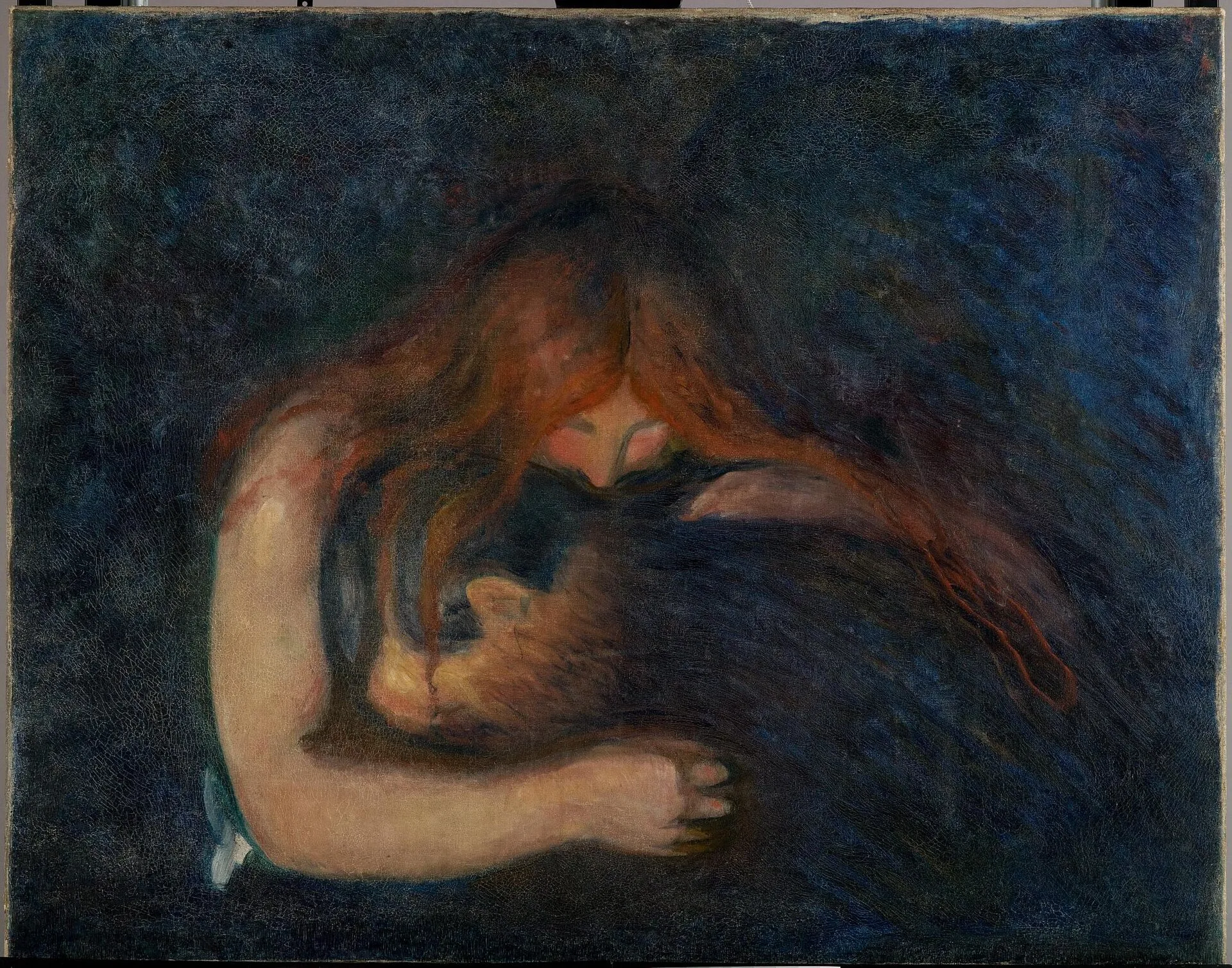 VampireMunch Museum
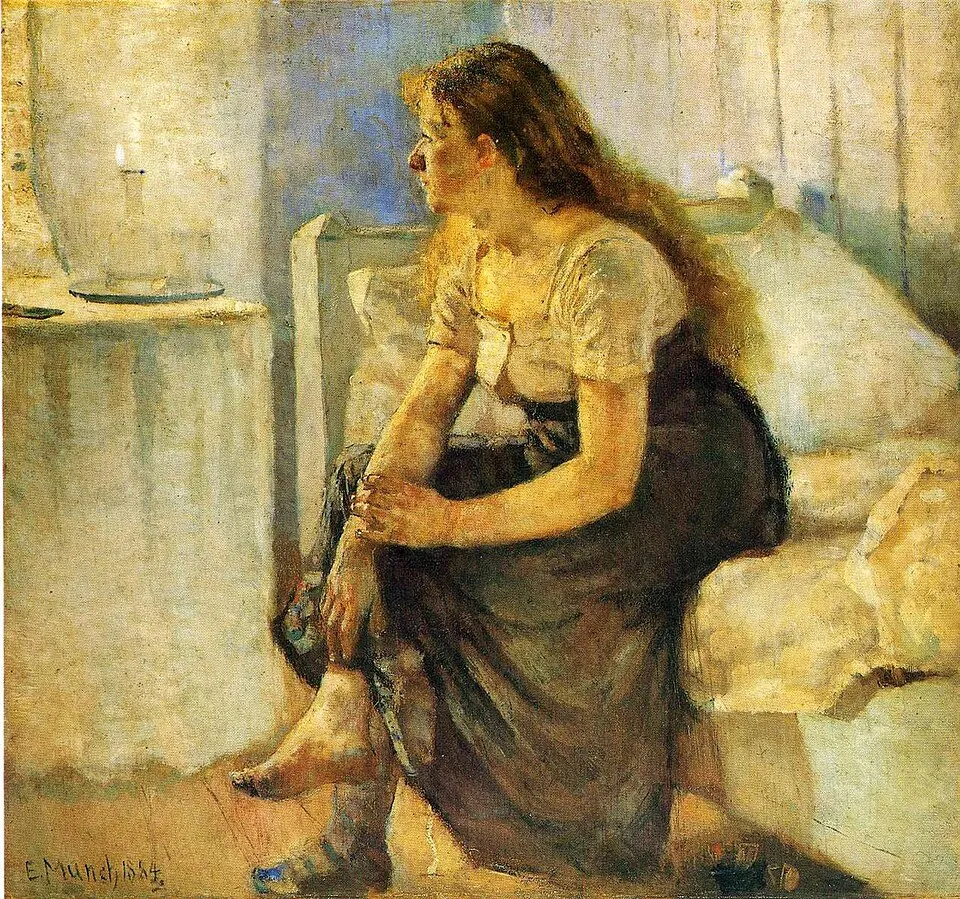 morning1884
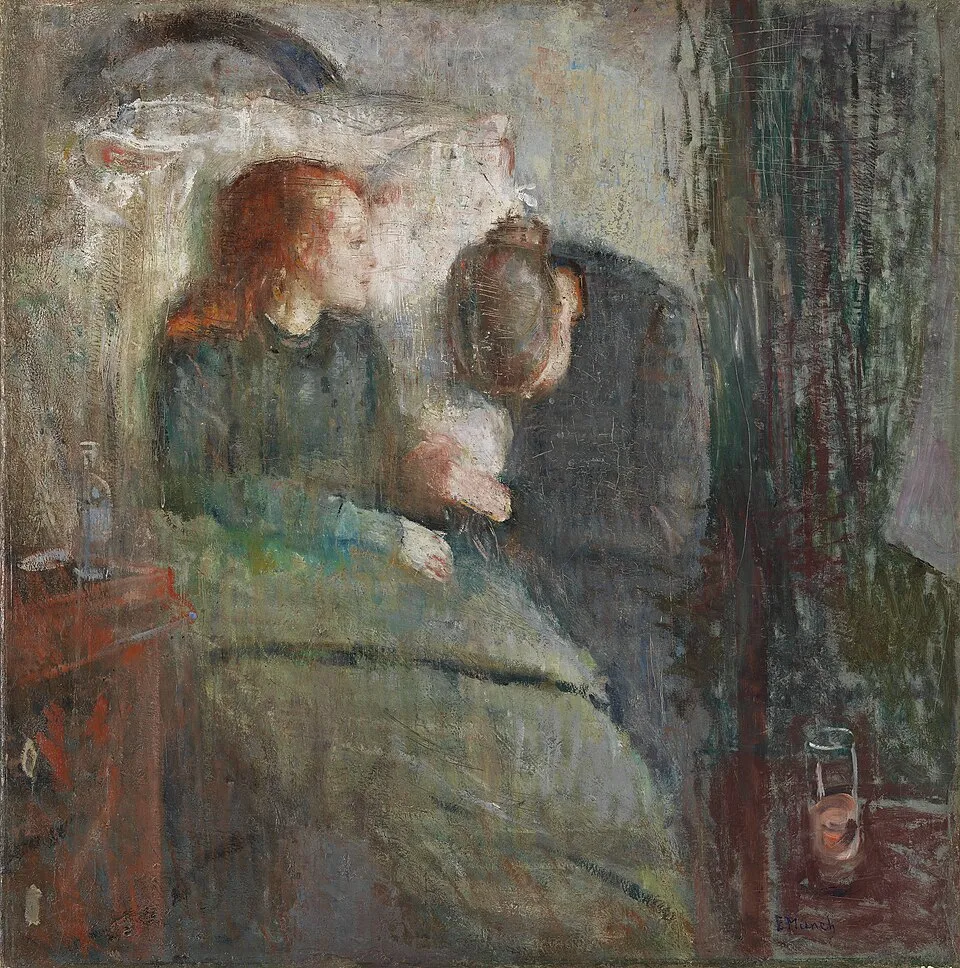 The Sick Child1885–1886
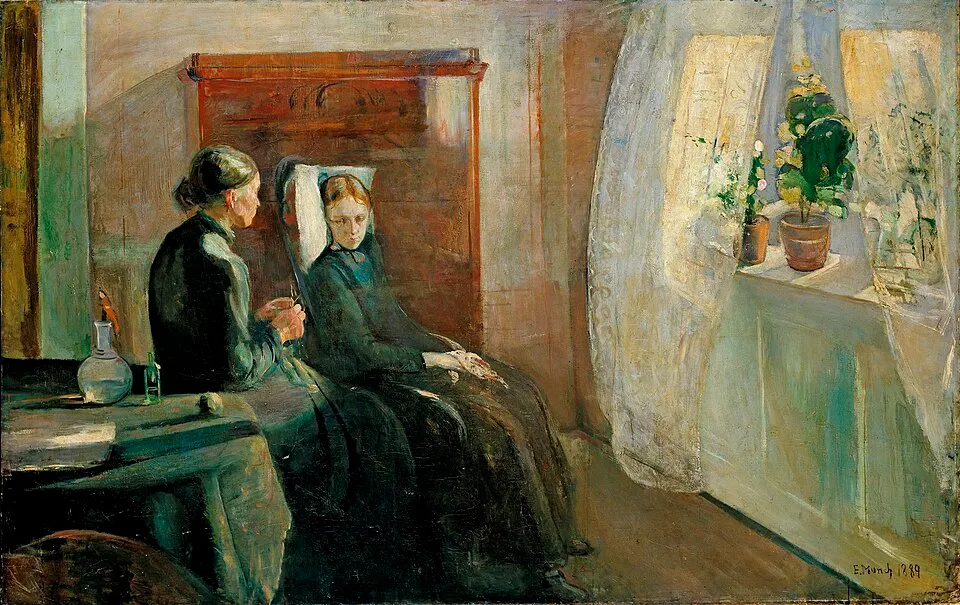 Spring1889
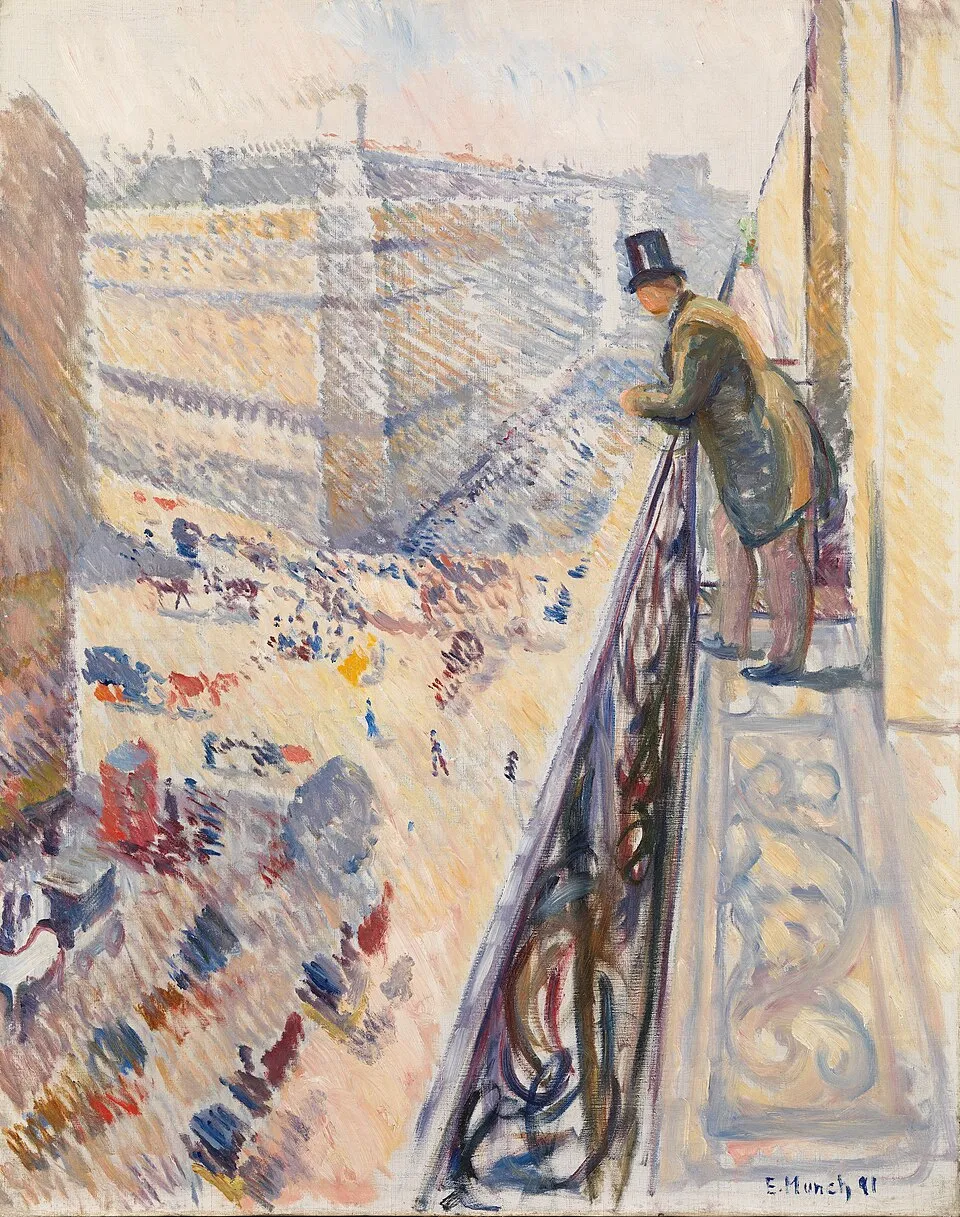 Rue Lafayette1891
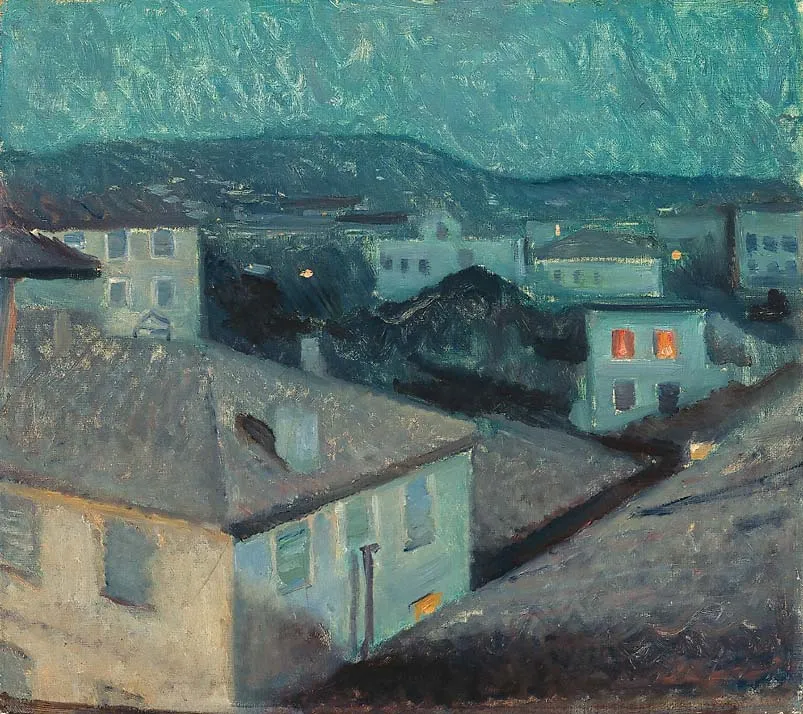 Night in Nice1891
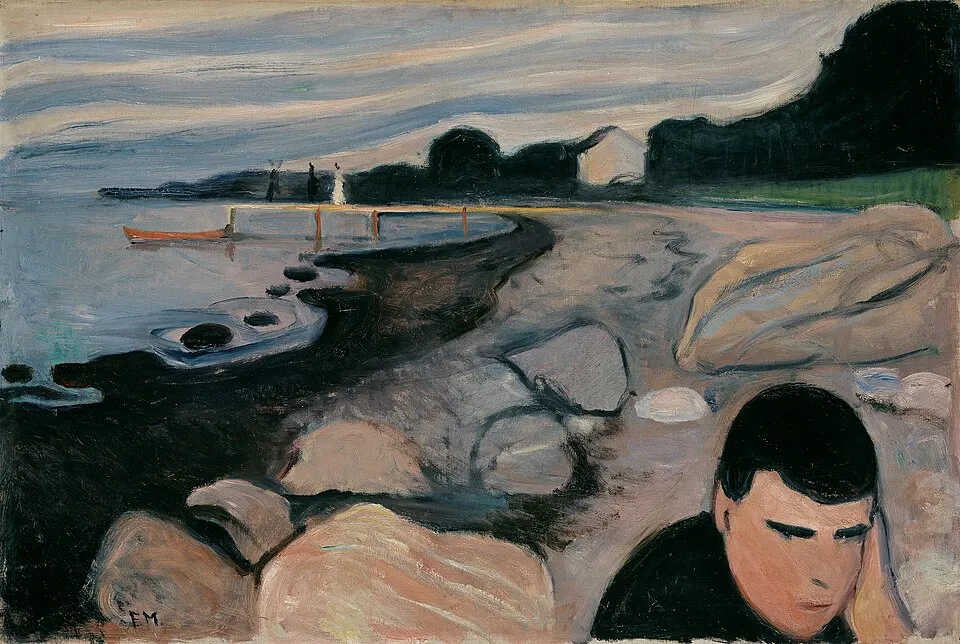 Melancholy1892
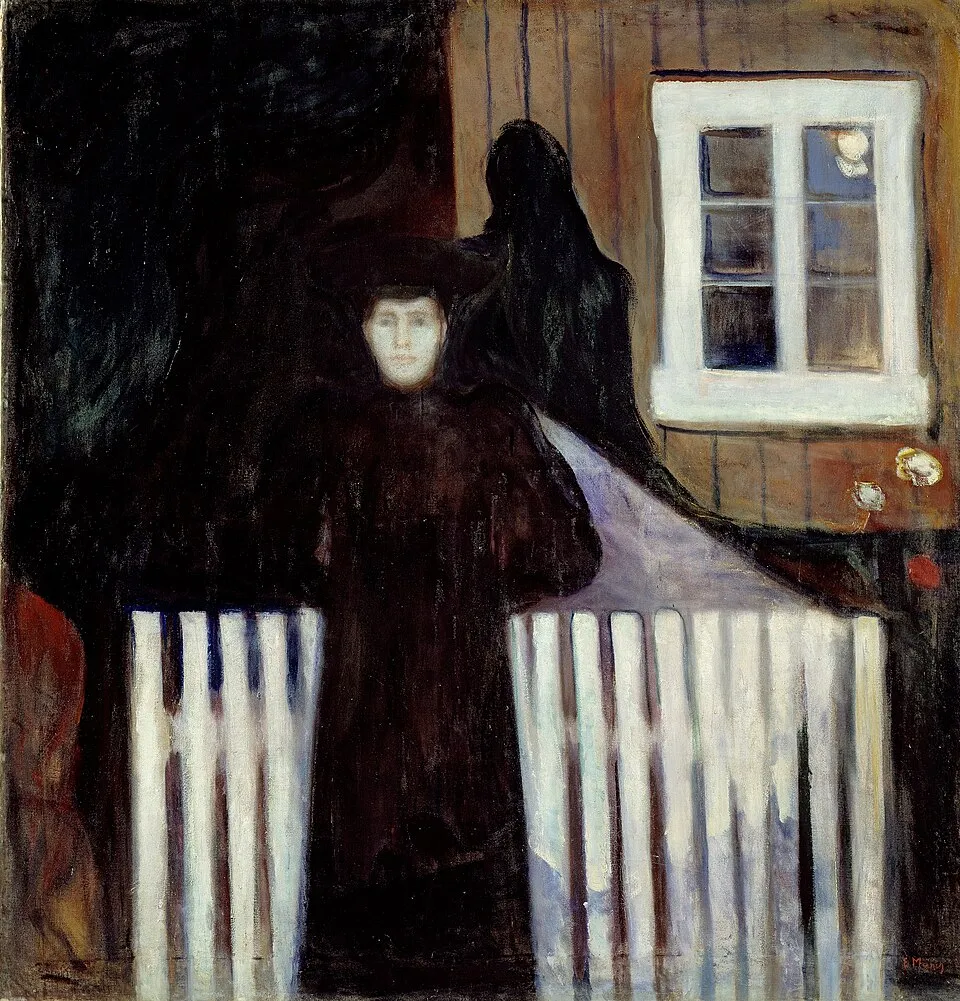 Moonlight1893
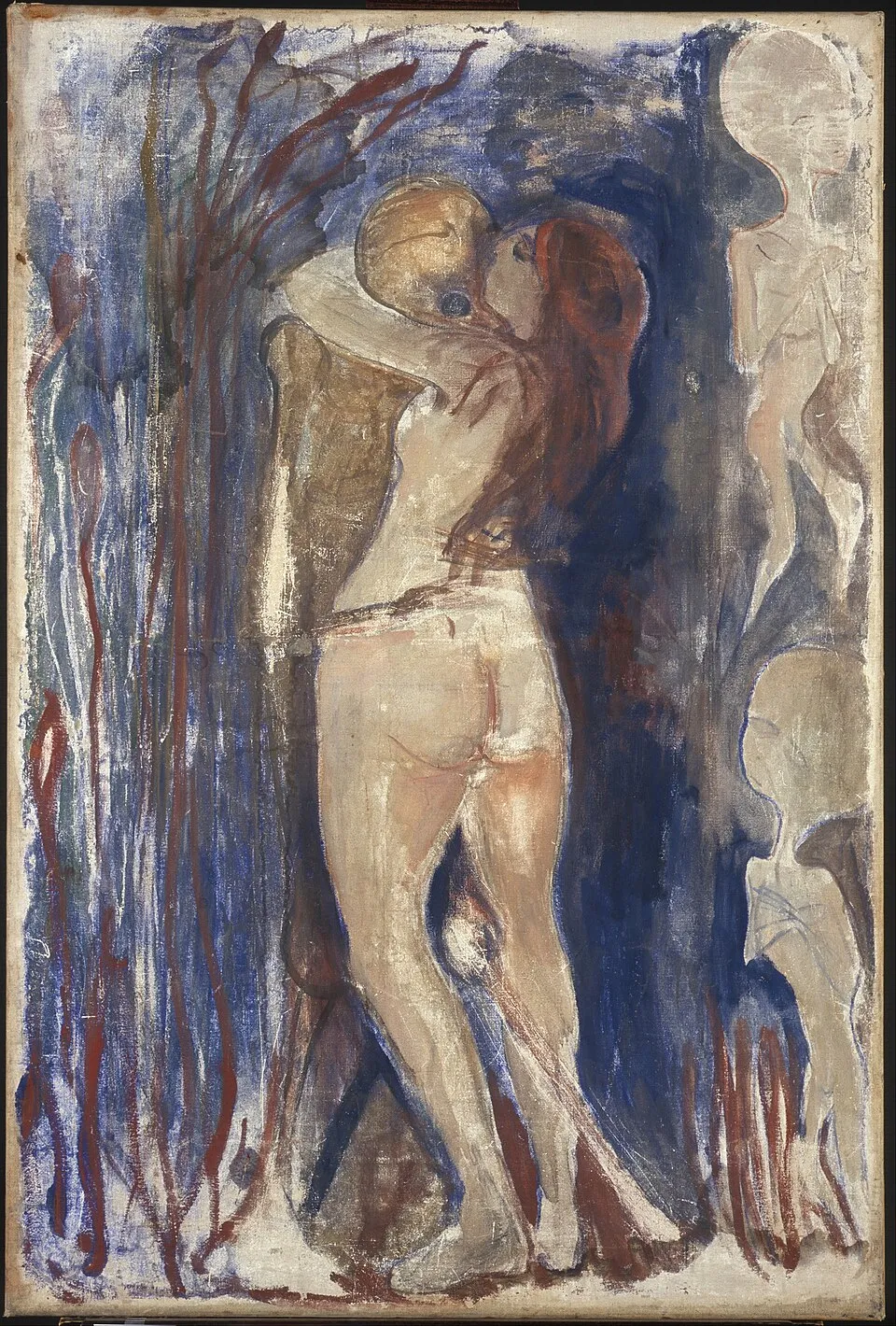 Death and Life1893
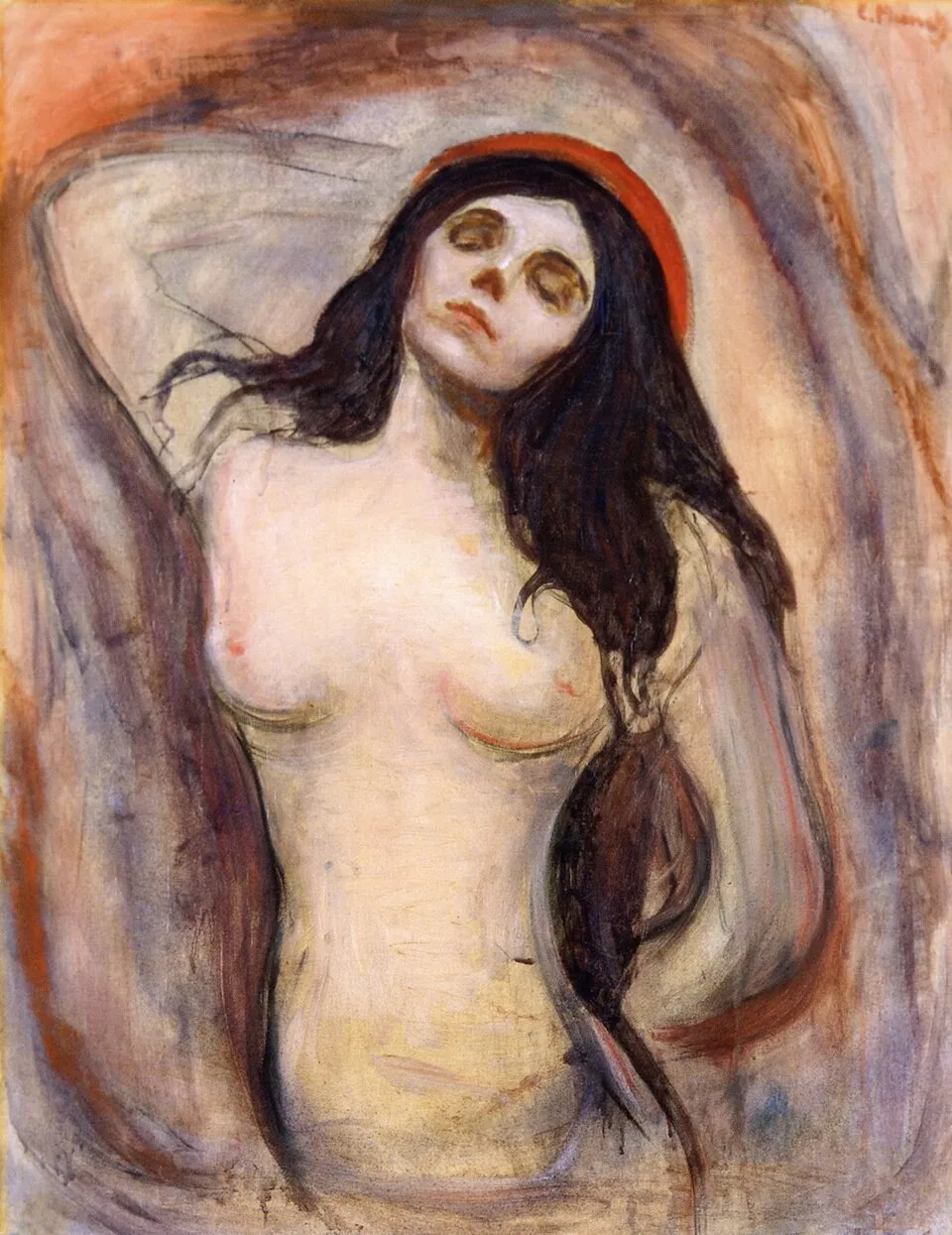 Madonna1895
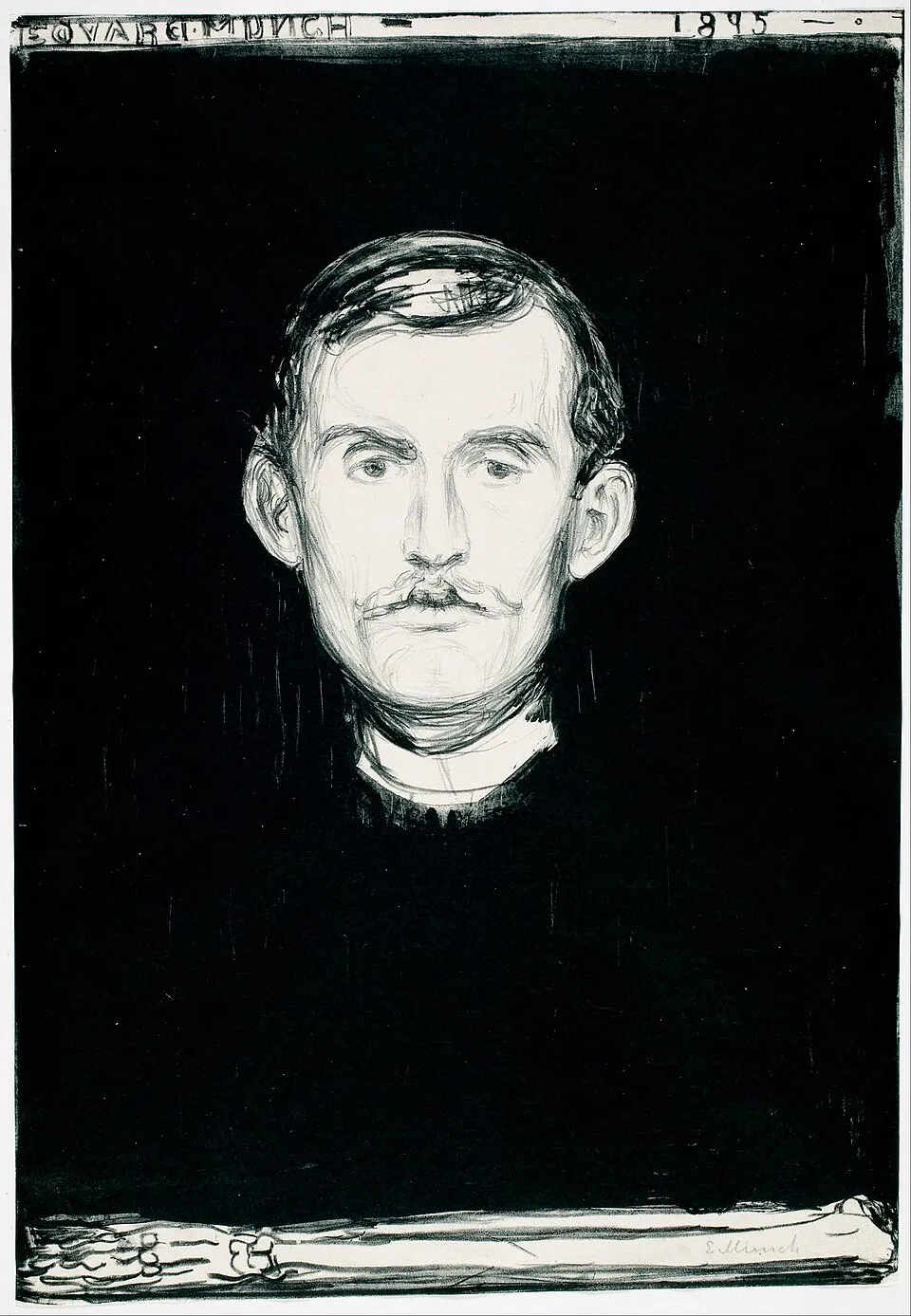 Self-Portrait1895
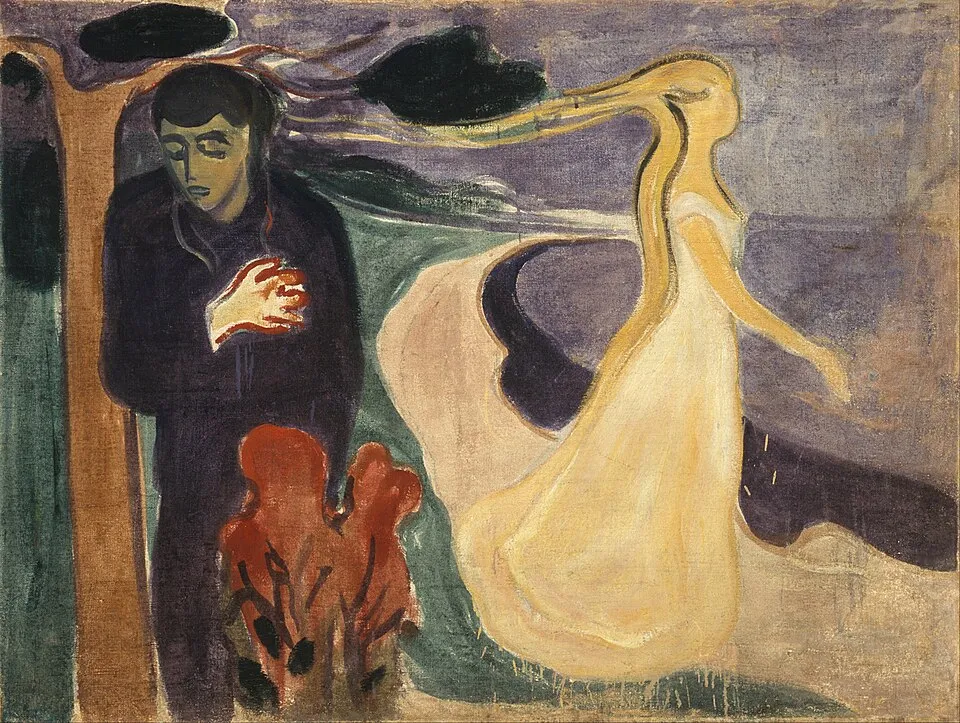 Separation1896
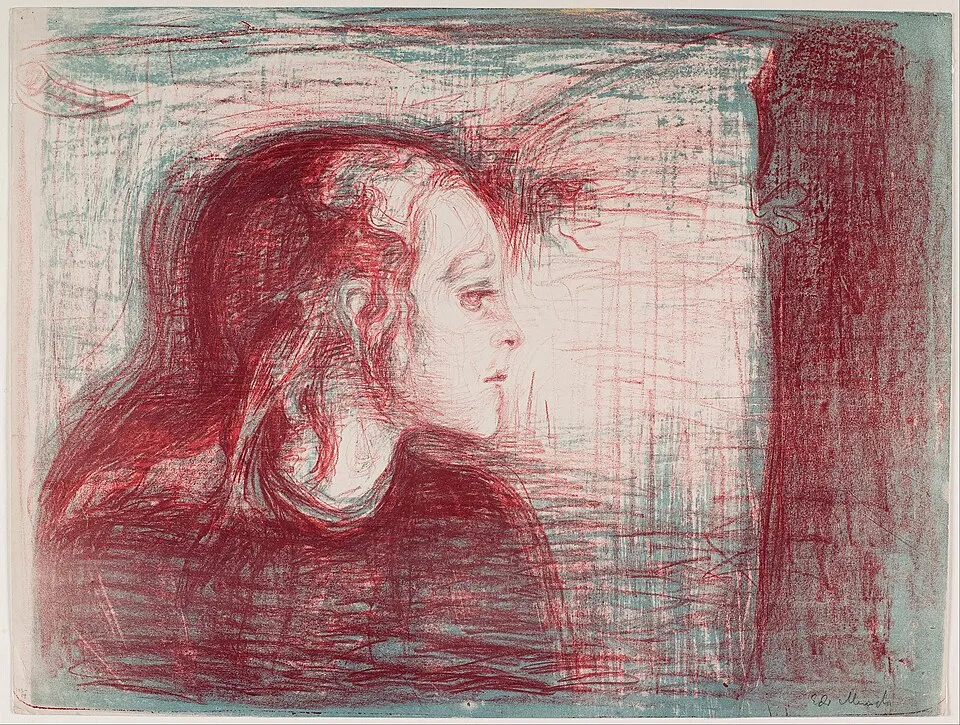 The sick child1896
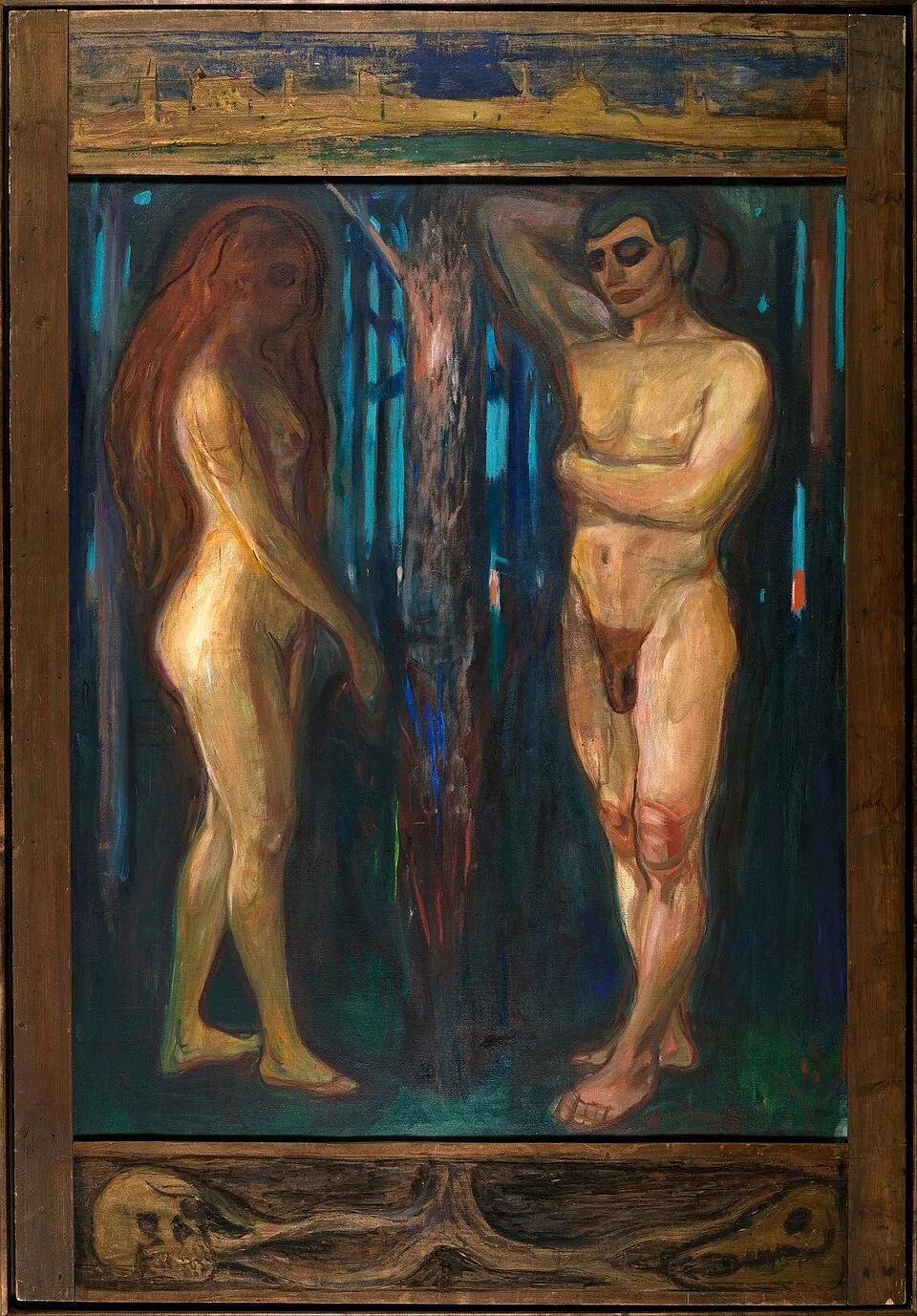 Metabolism1898–1899
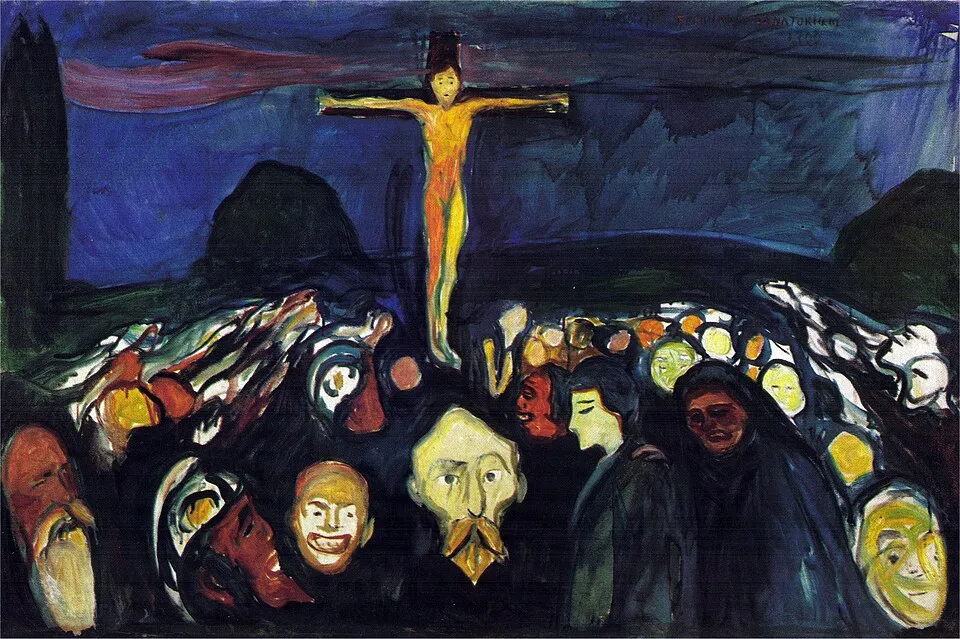 Golgatha1900
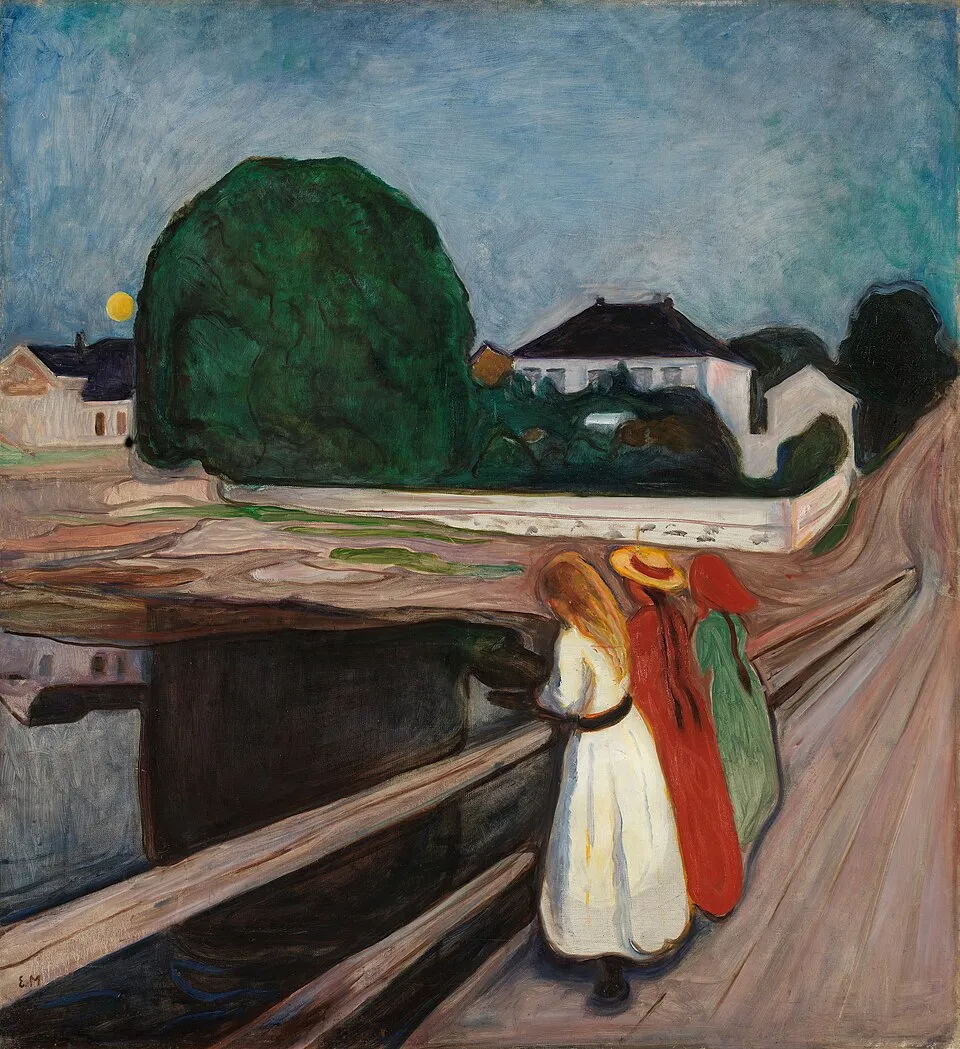 Girls on the pier1901
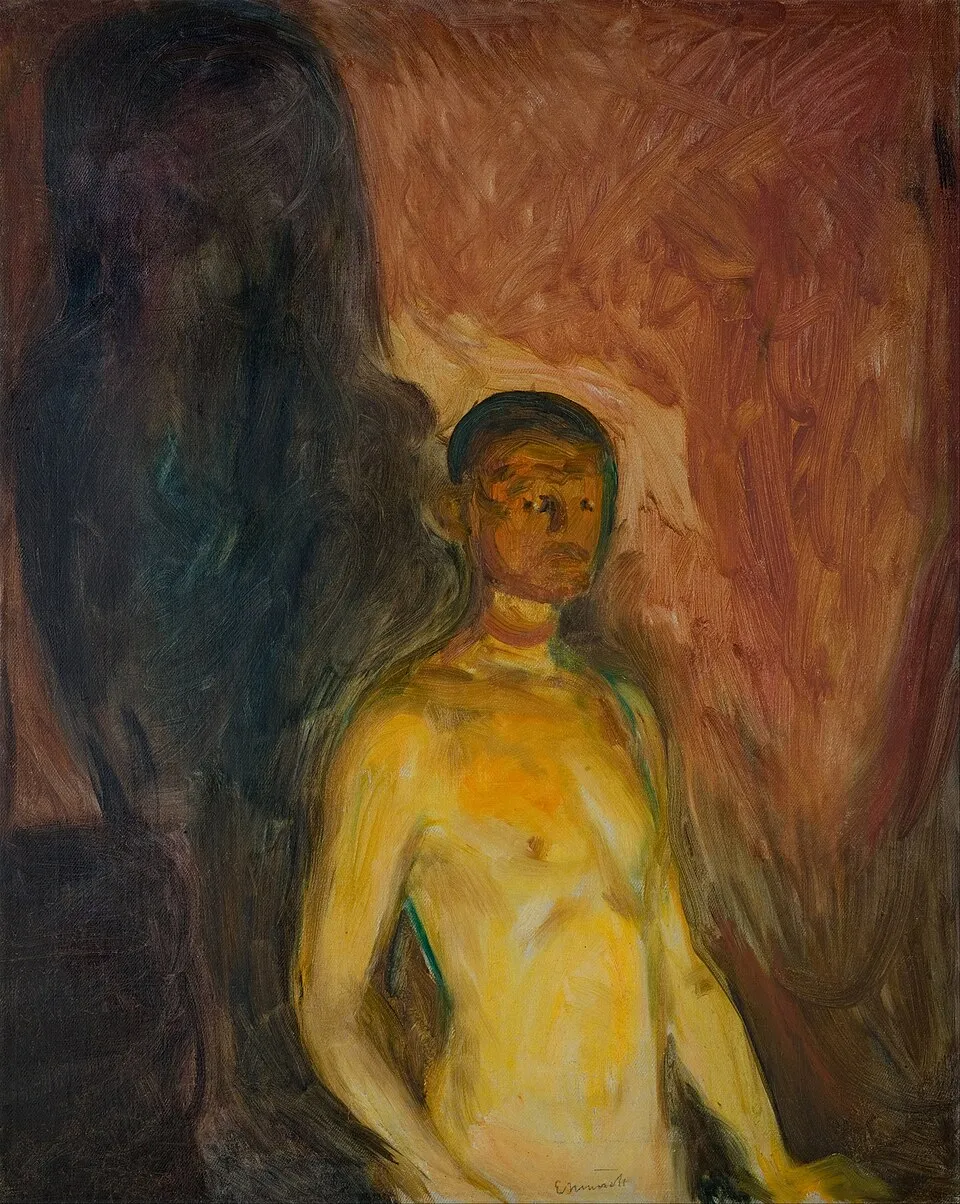 Self-Portrait in Hell1903
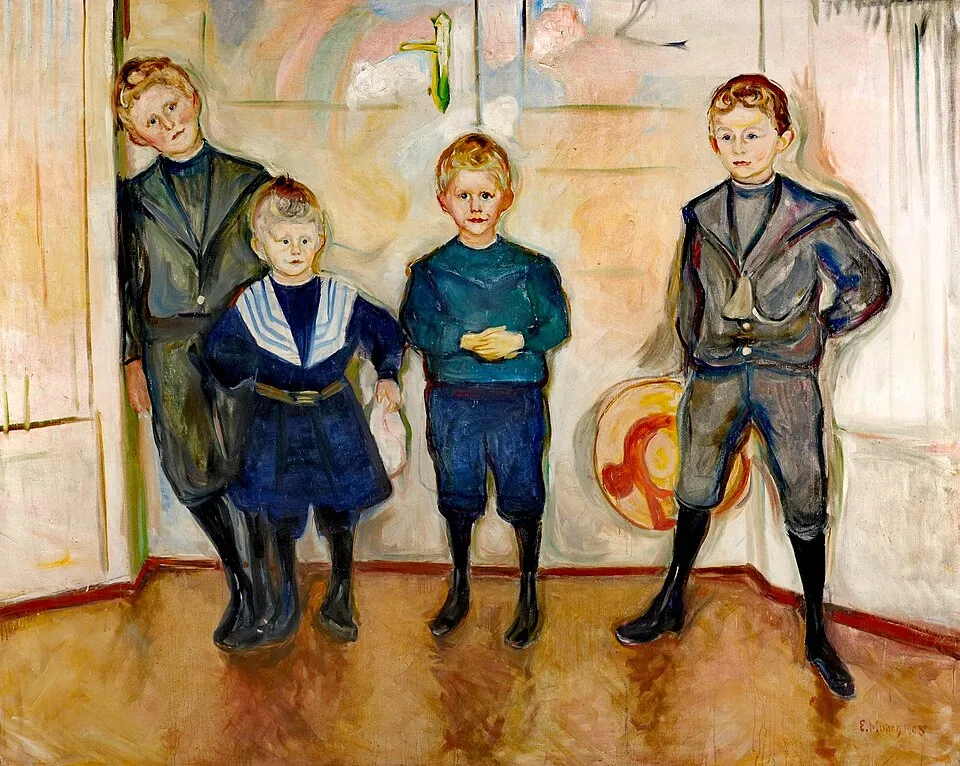 Dr. Linde's Sons1903
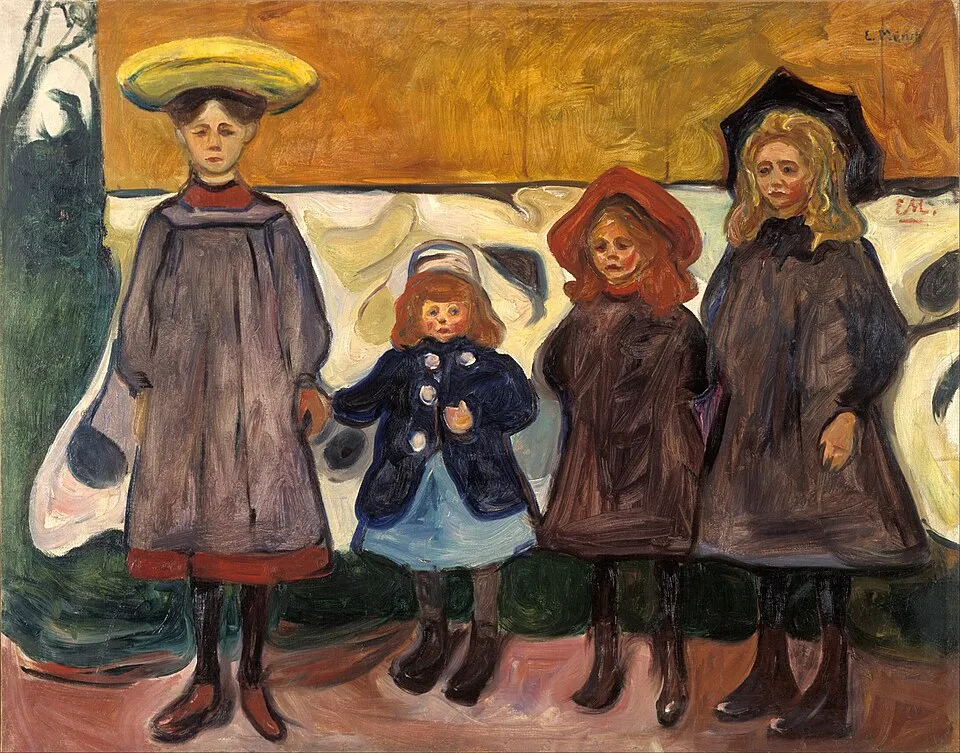 Four Girls in Åsgårdstrand1903
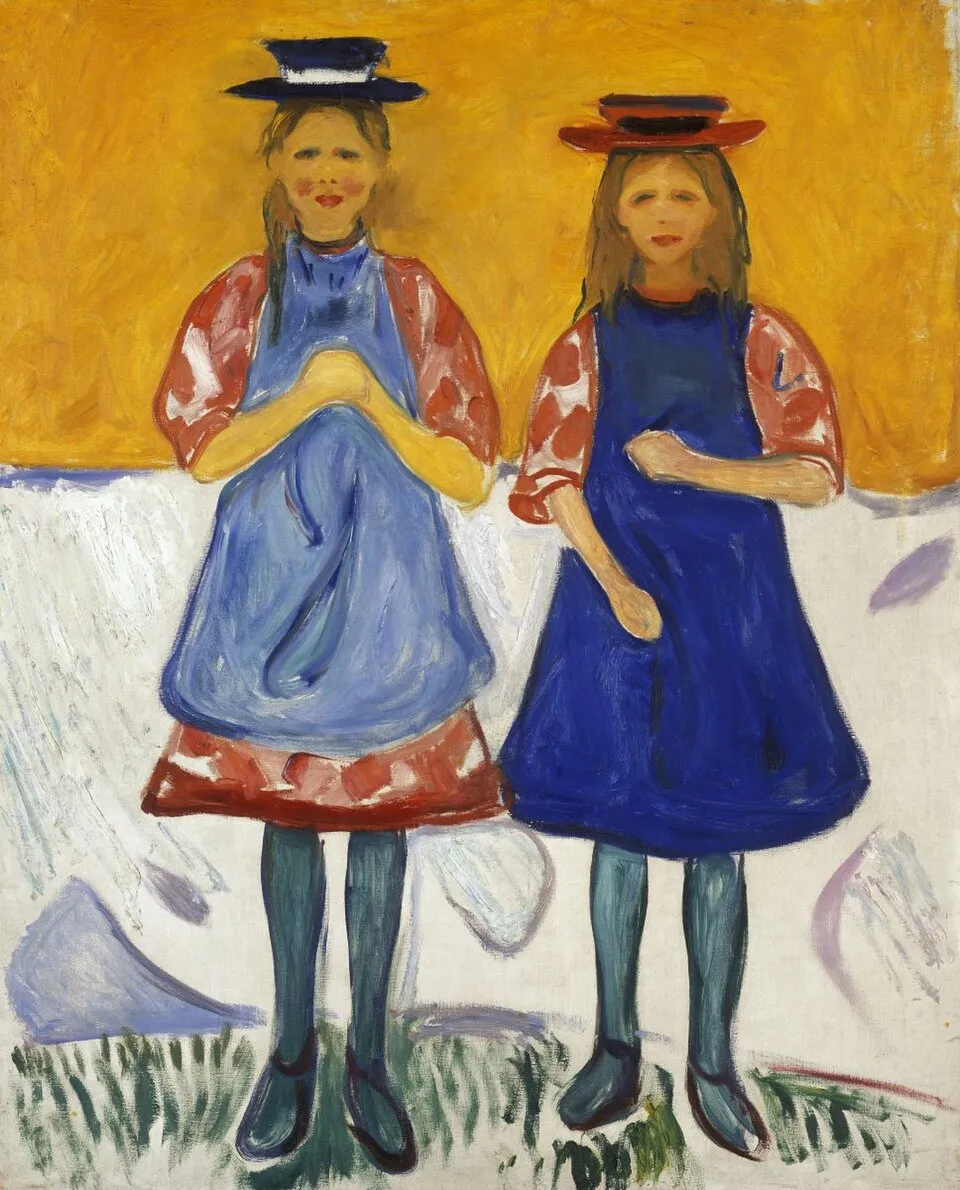 Two Little Girls with Blue Aprons1904–1905
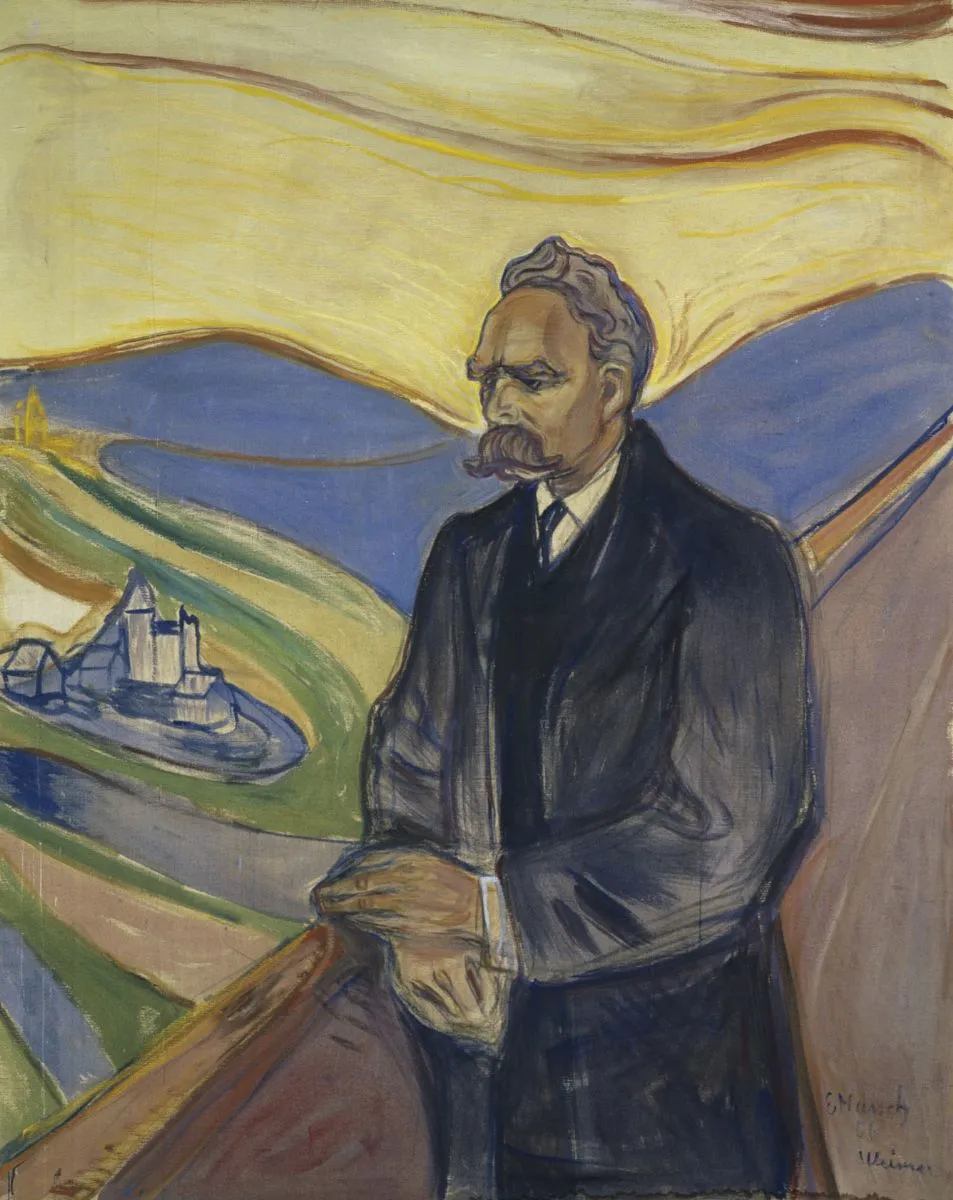 Portrait of Friedrich Nietzsche1906
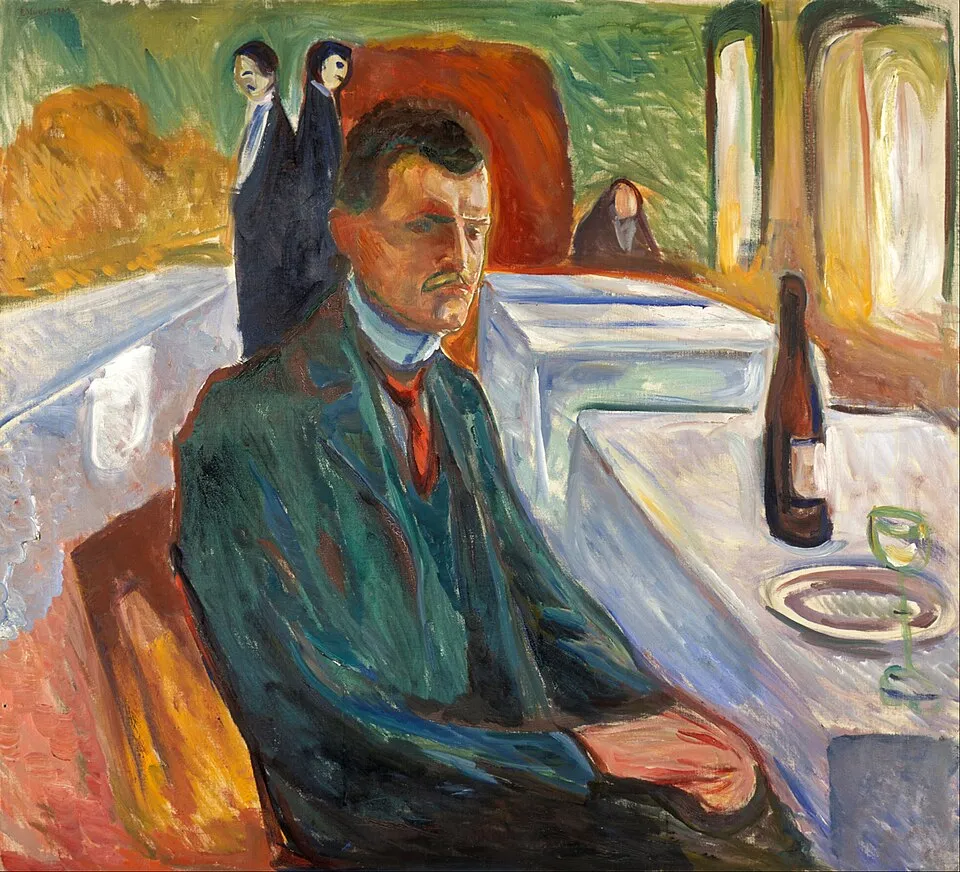 Self-Portrait with a Bottle of Wine1906
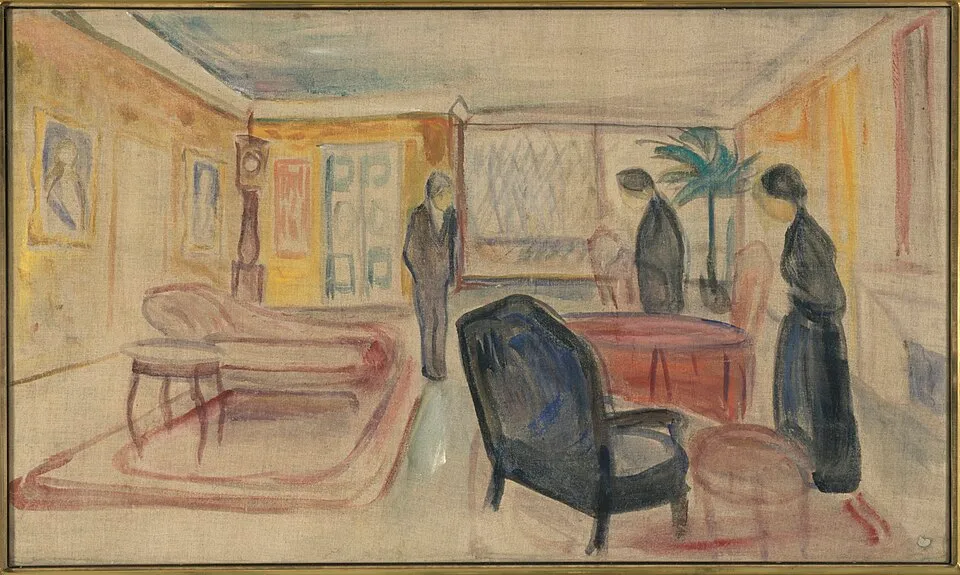 Stage design for Ibsen's Ghosts1906
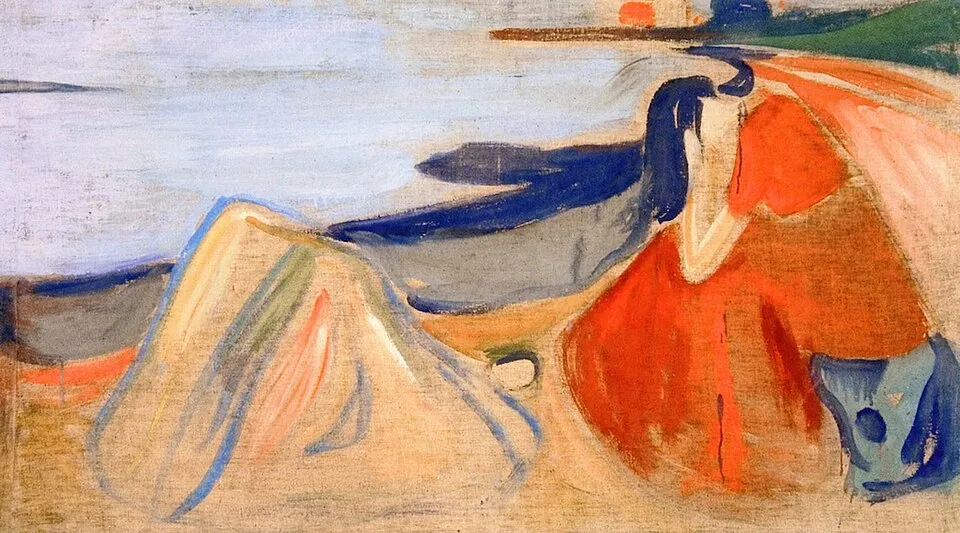 Melancholy (The Reinhardt Frieze)1906–1907
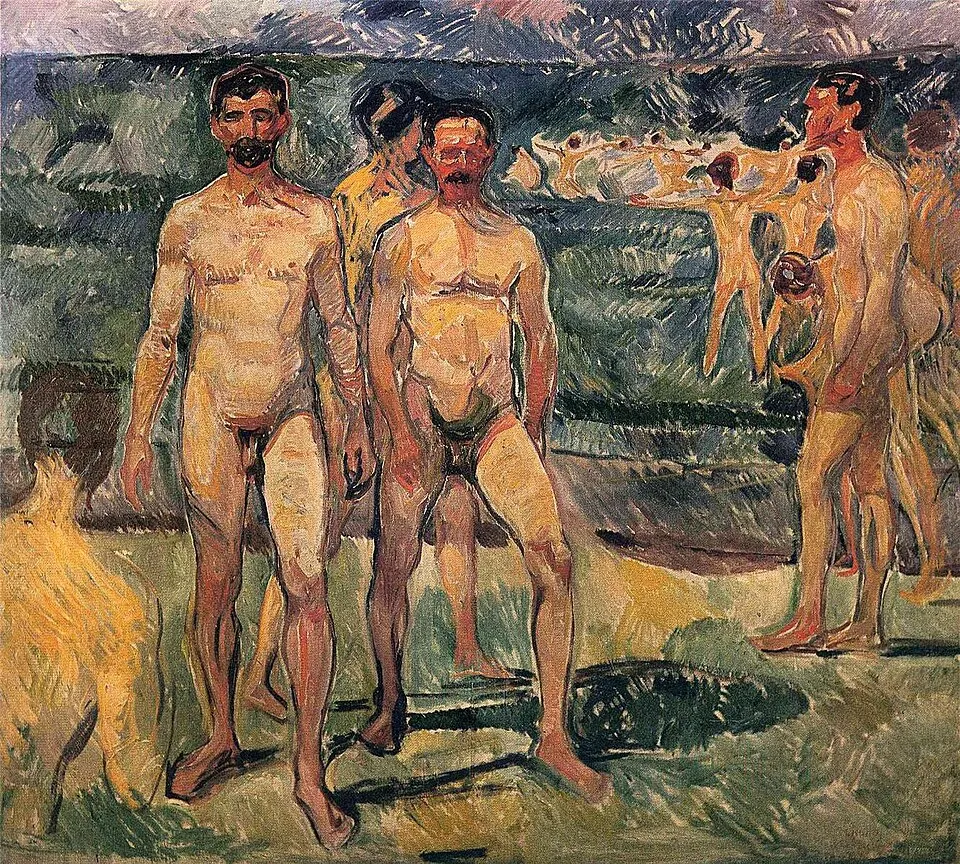 Bathing Men1907
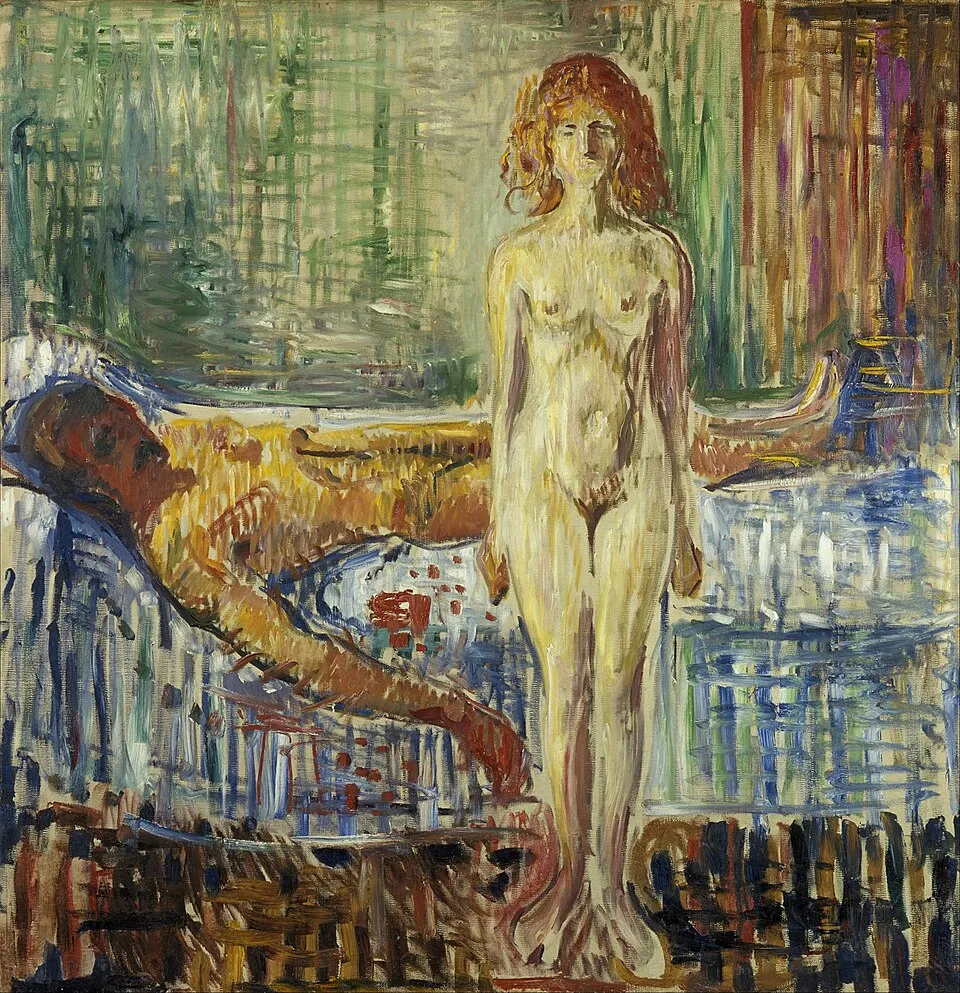 The Death of Marat II1907
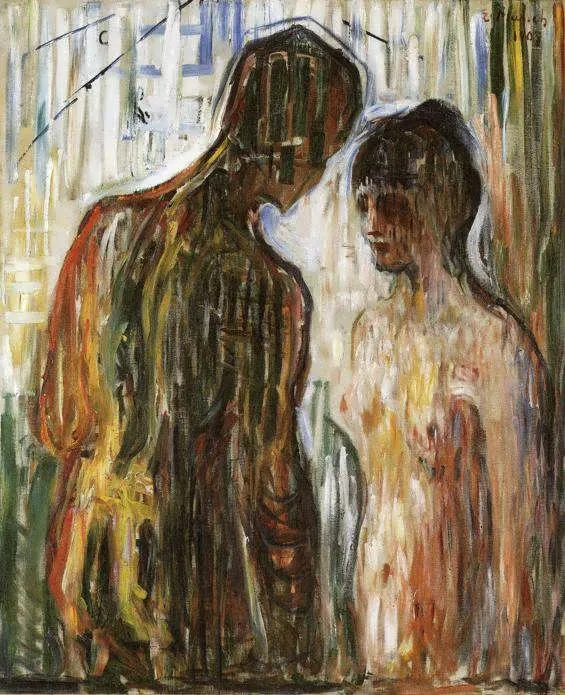 Cupid and Psyche1907
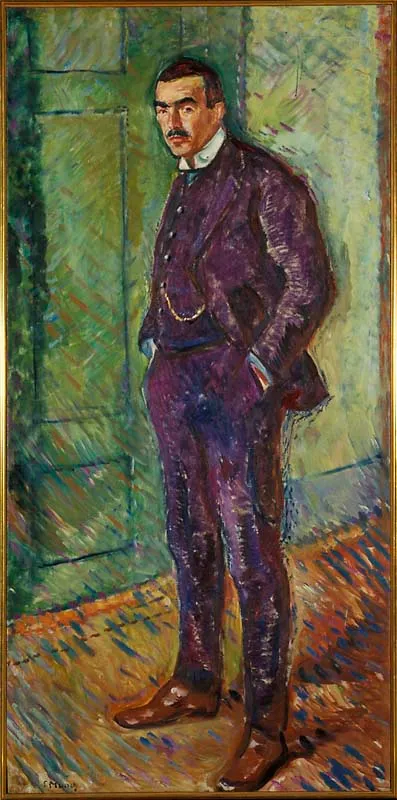 Edvard Munch, Jappe Nilssen1909
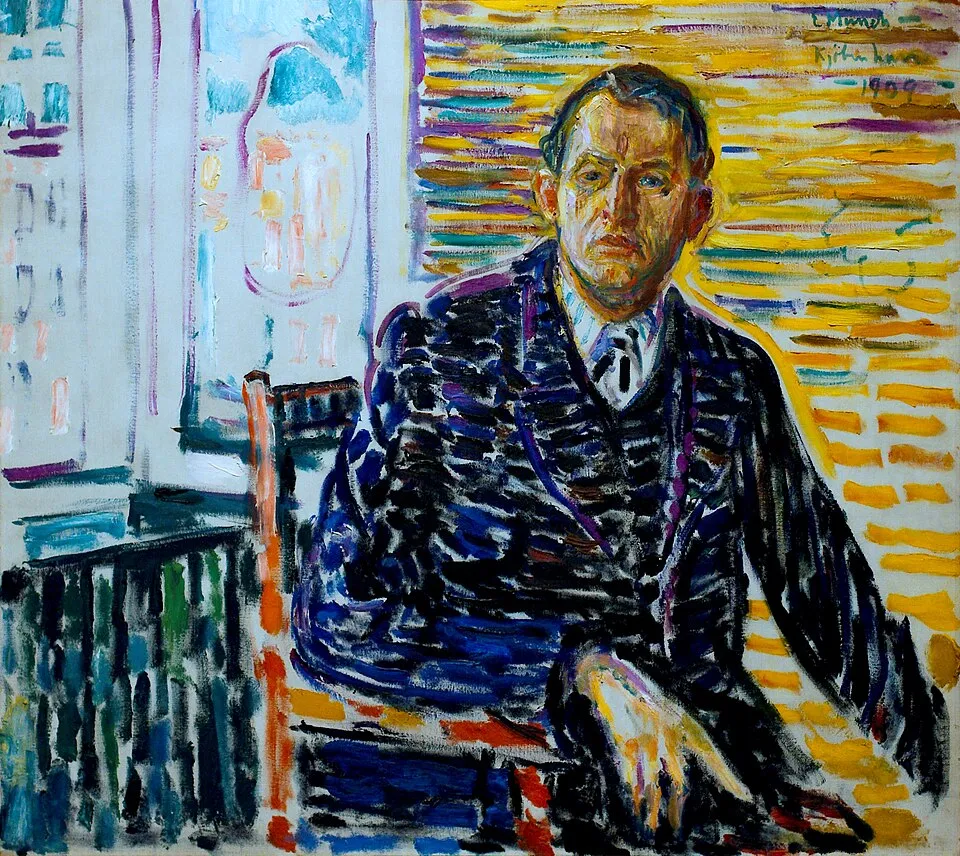 Self-Portrait in the Clinic1909
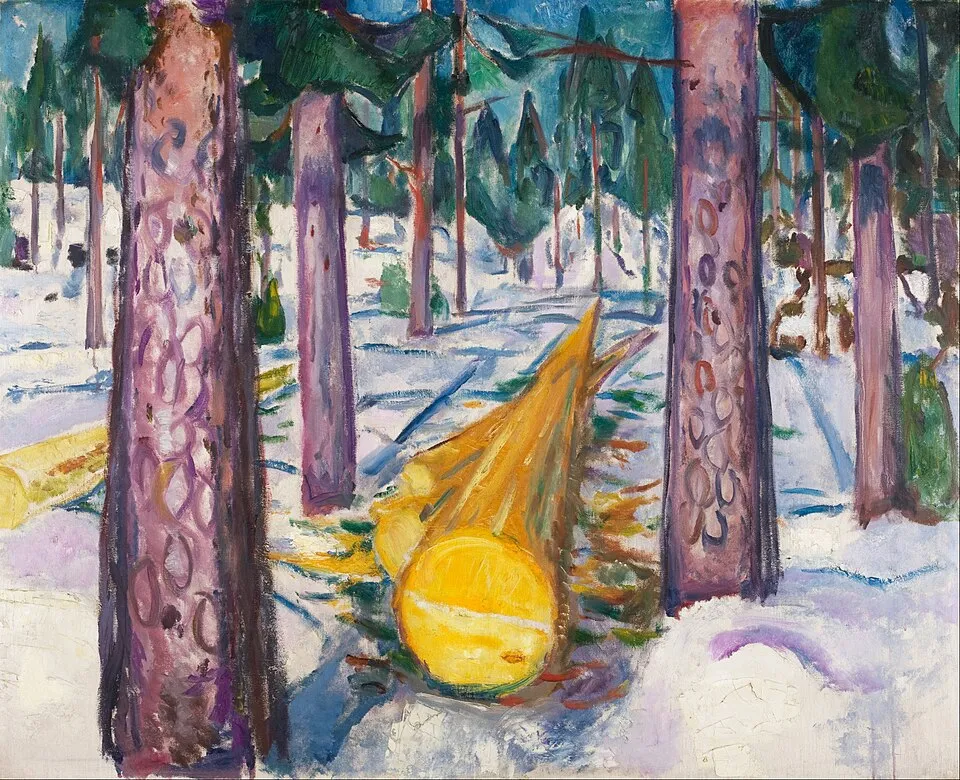 The Yellow Log1912
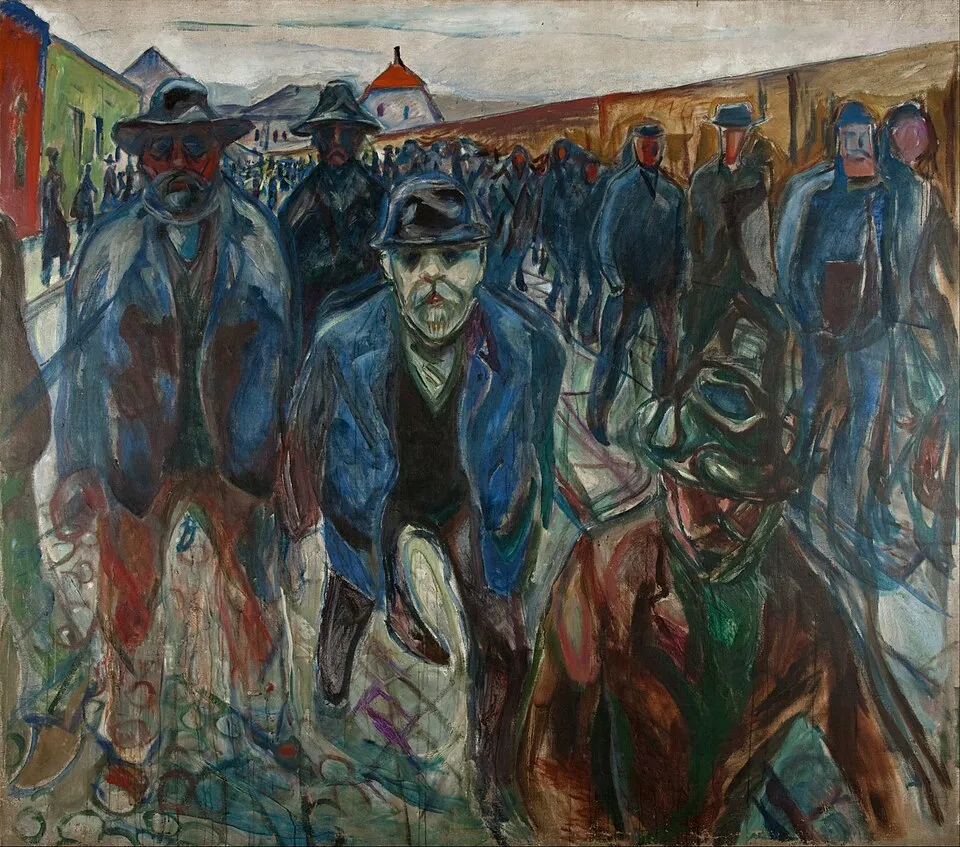 Workers on their Way Home1913–1915
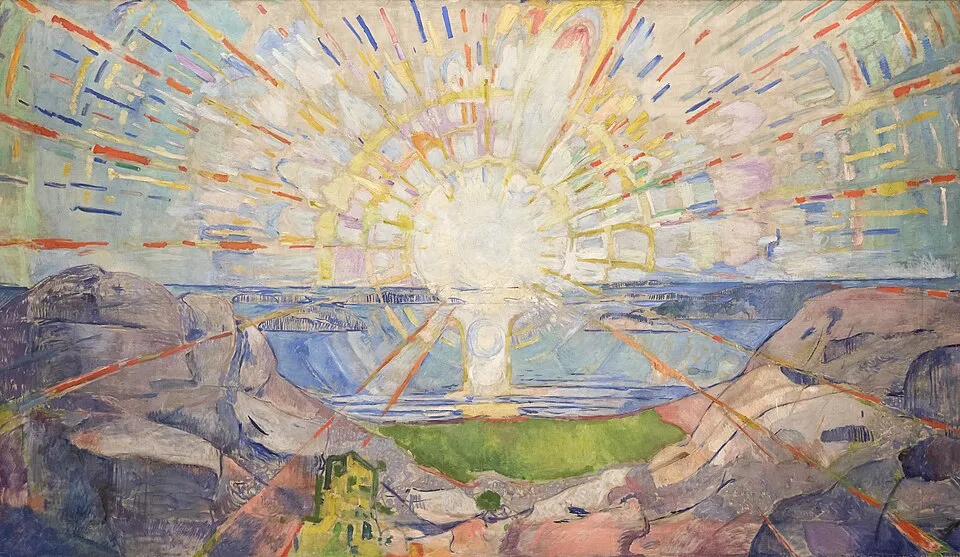 The Sun1911–1916
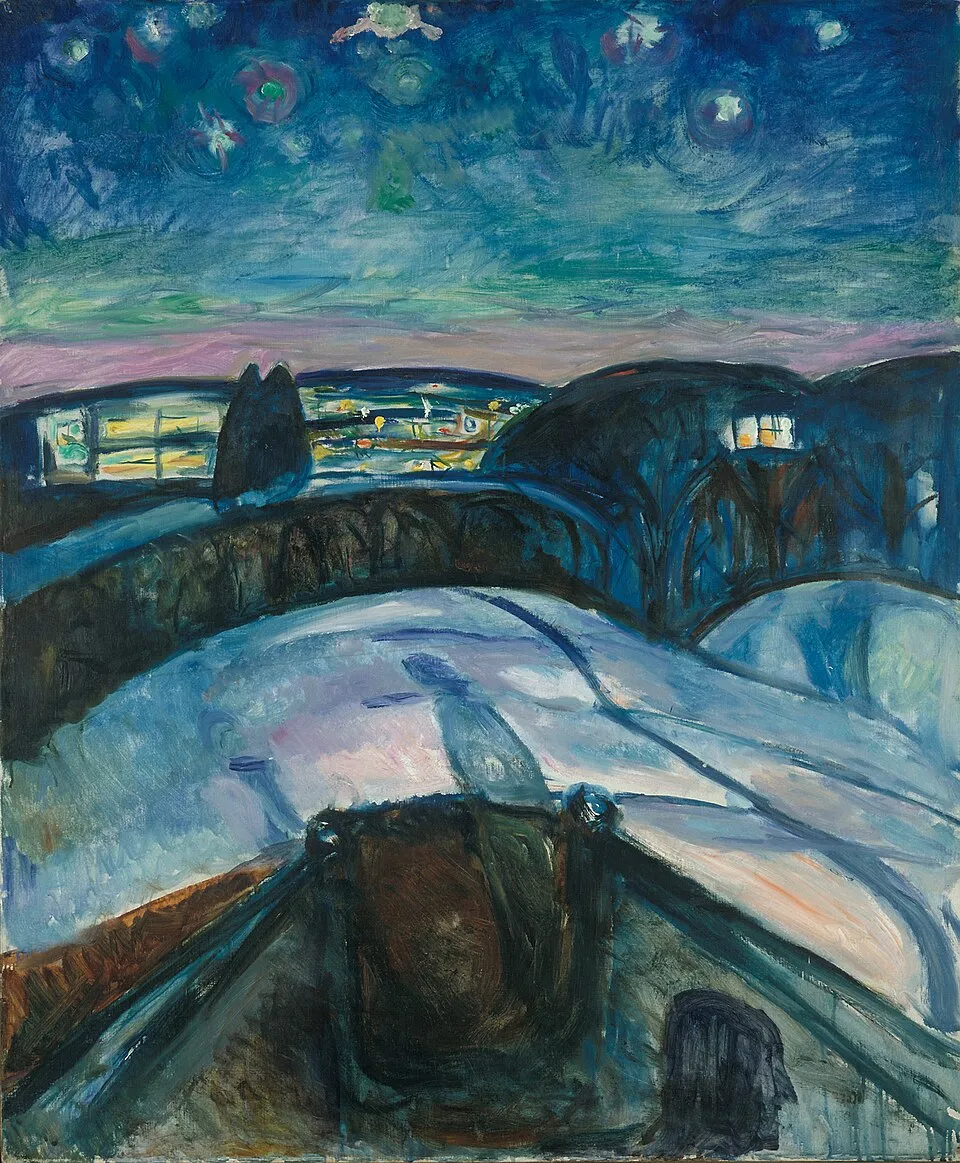 Starry Night1922–1924
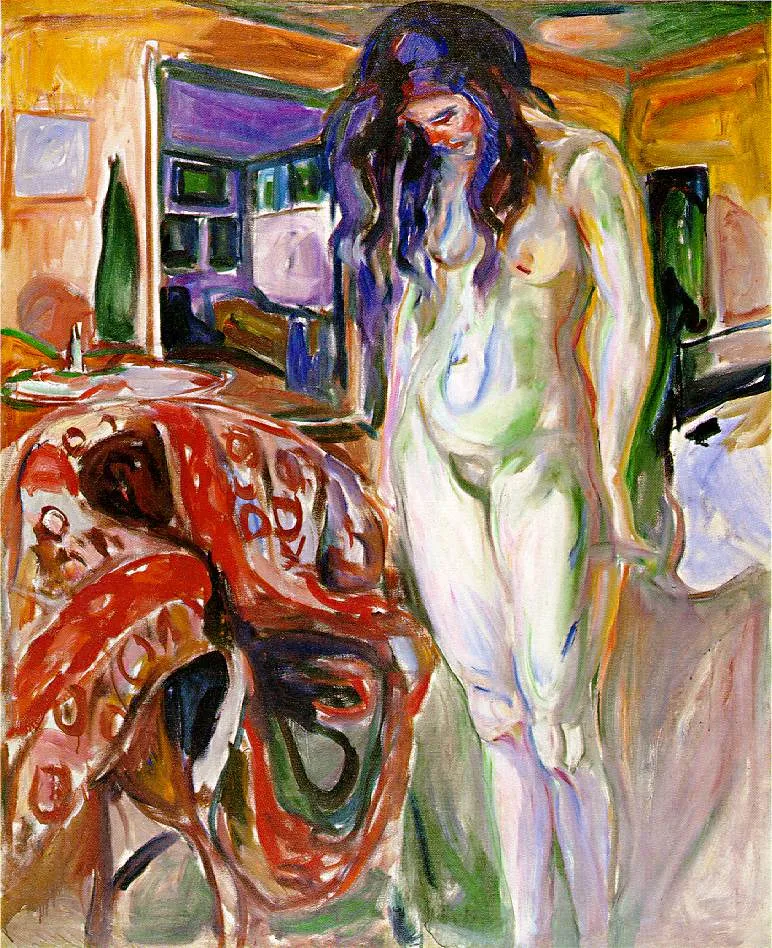 Model by the Wicker Chair1919–1921
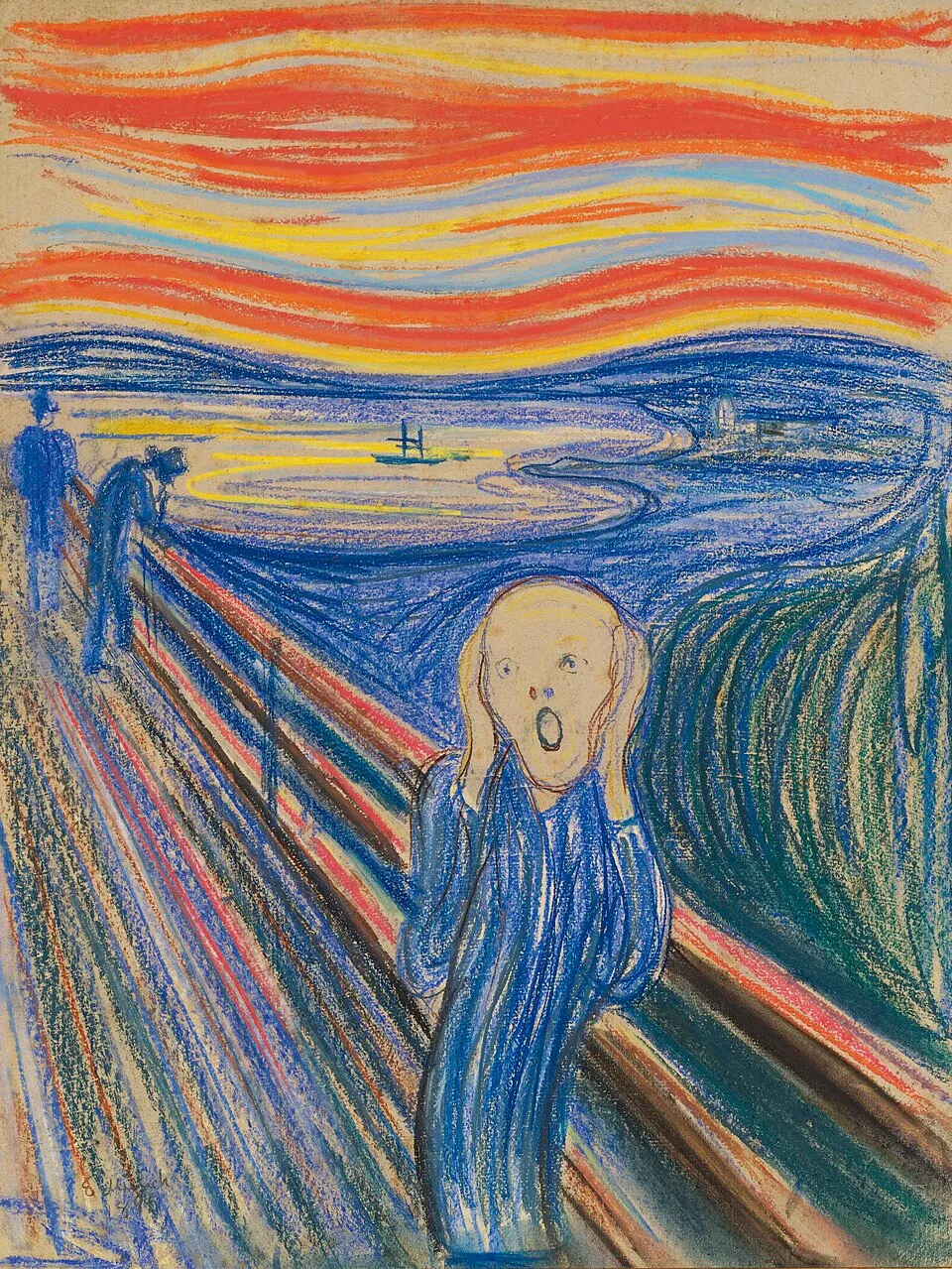 The Scream1895
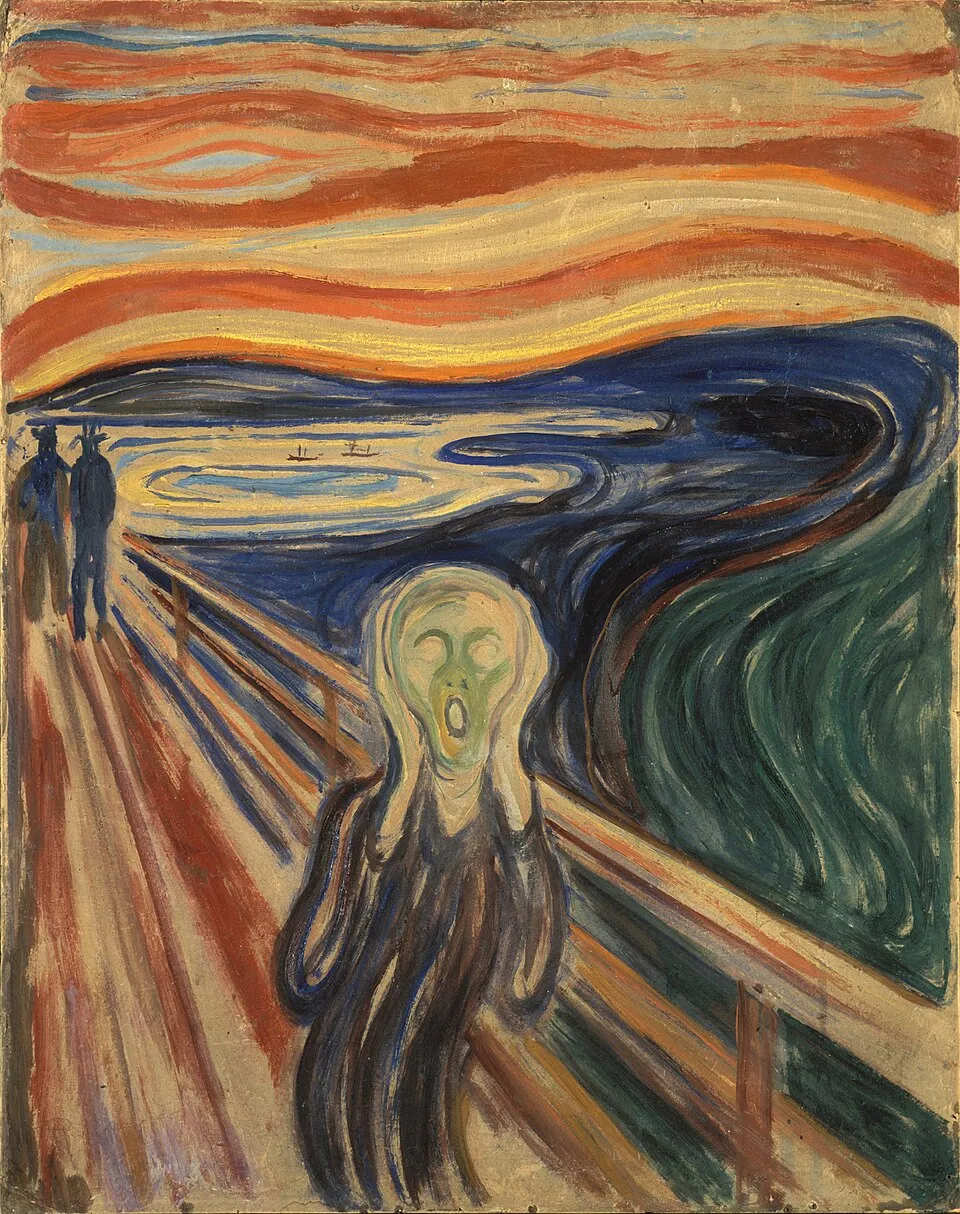 The Scream1910
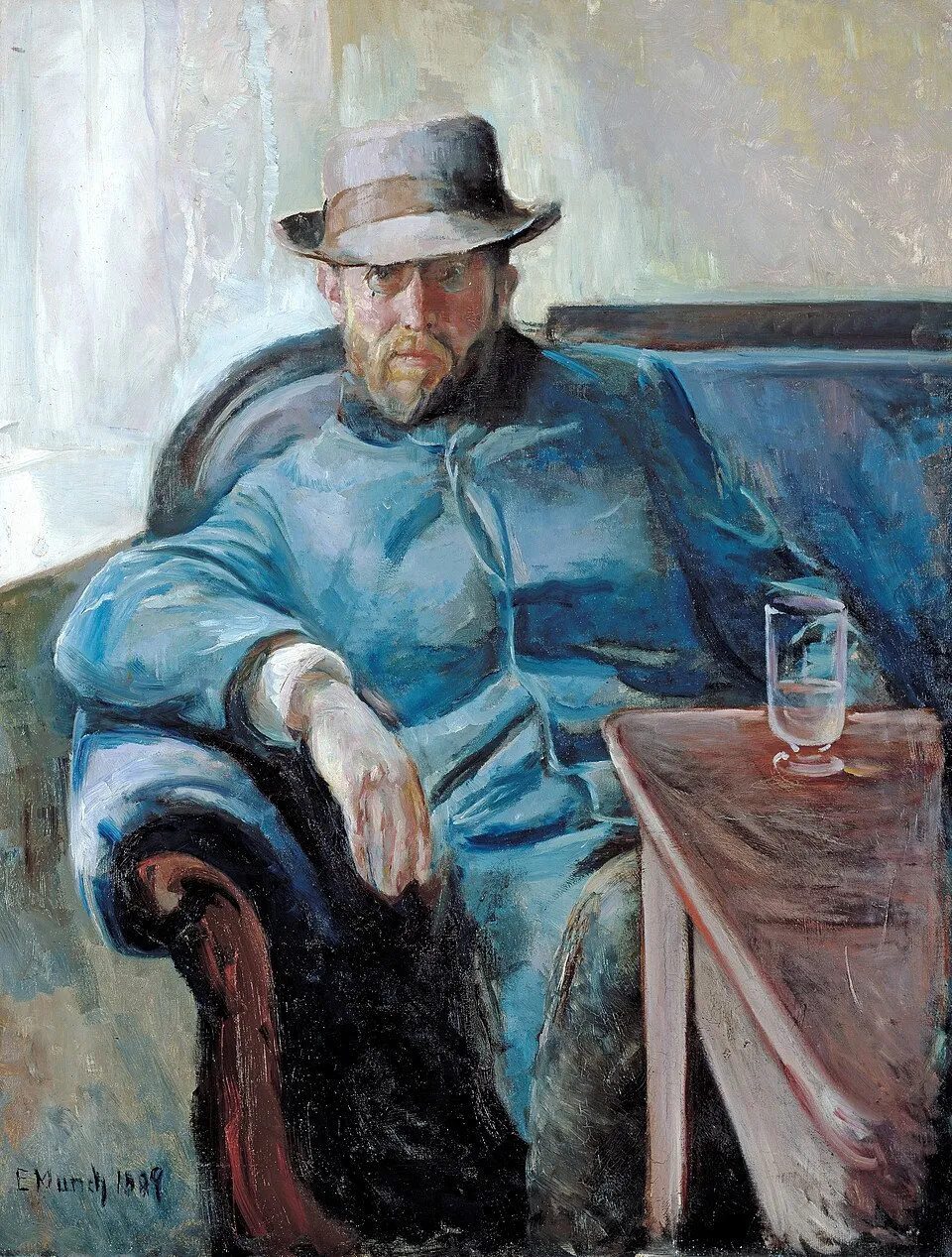 Hans Jæger painted1889
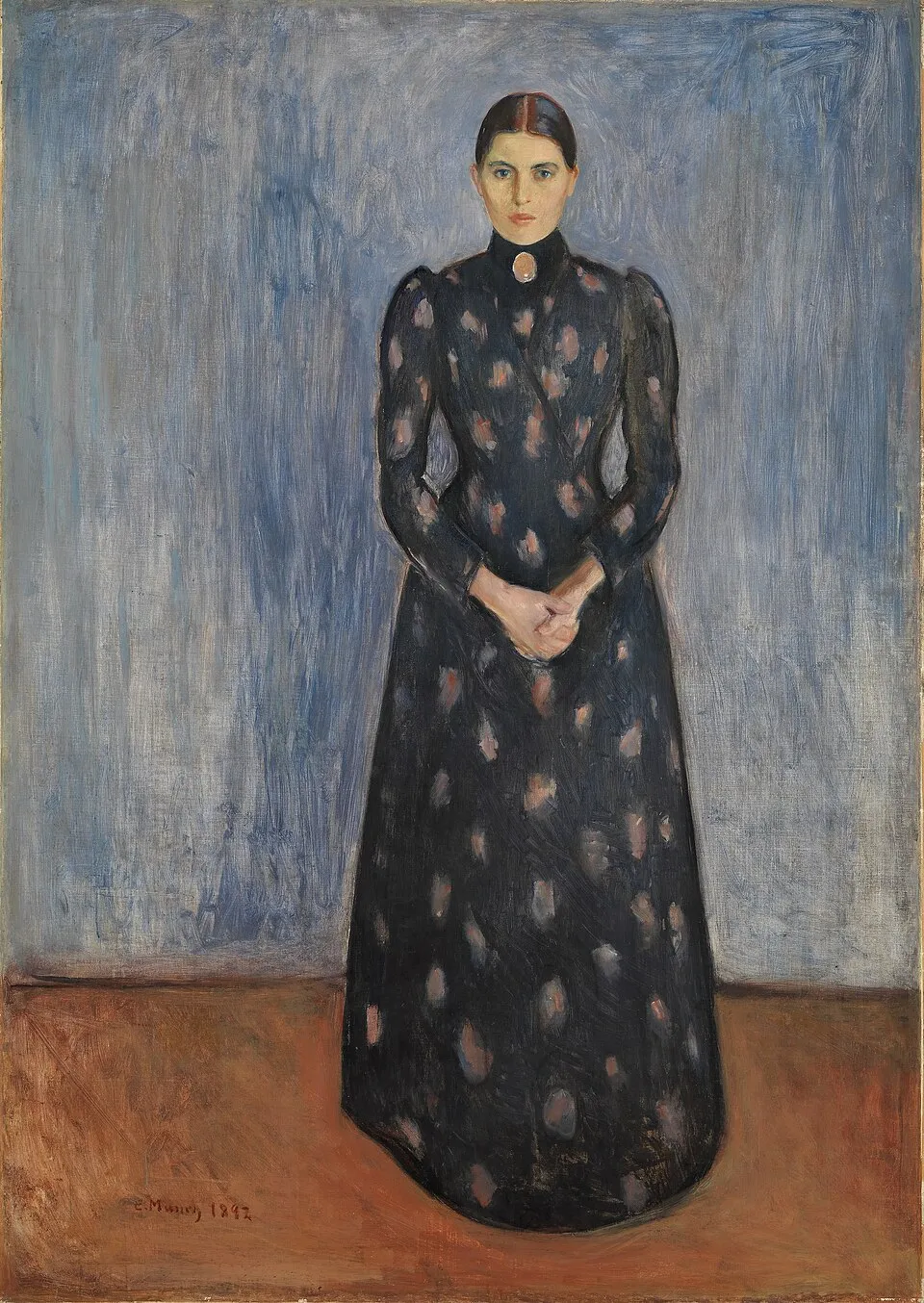 Inger in Black and Violet1892
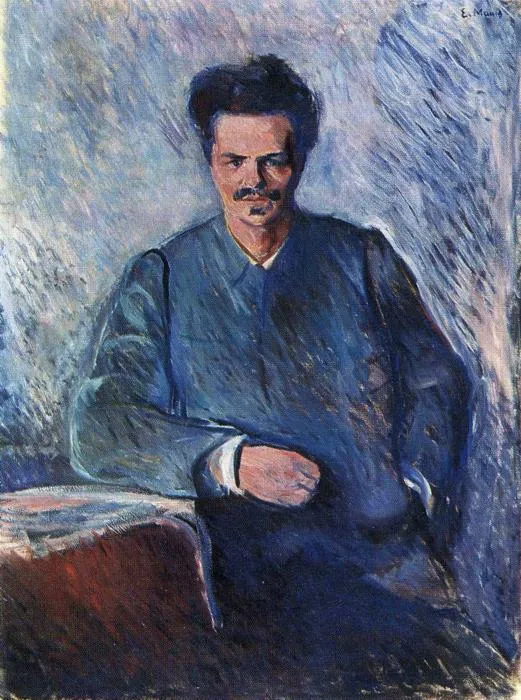 Portrait of August Strindberg1892
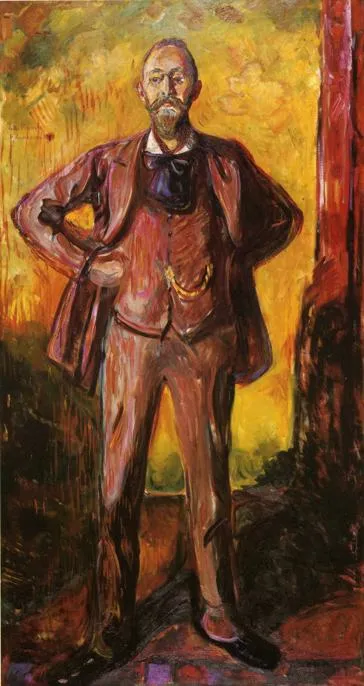 Professor Daniel Jacobson1908–1909
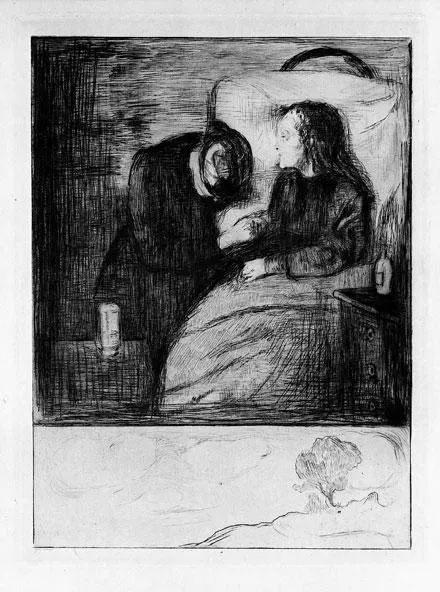 The Sick Child1894
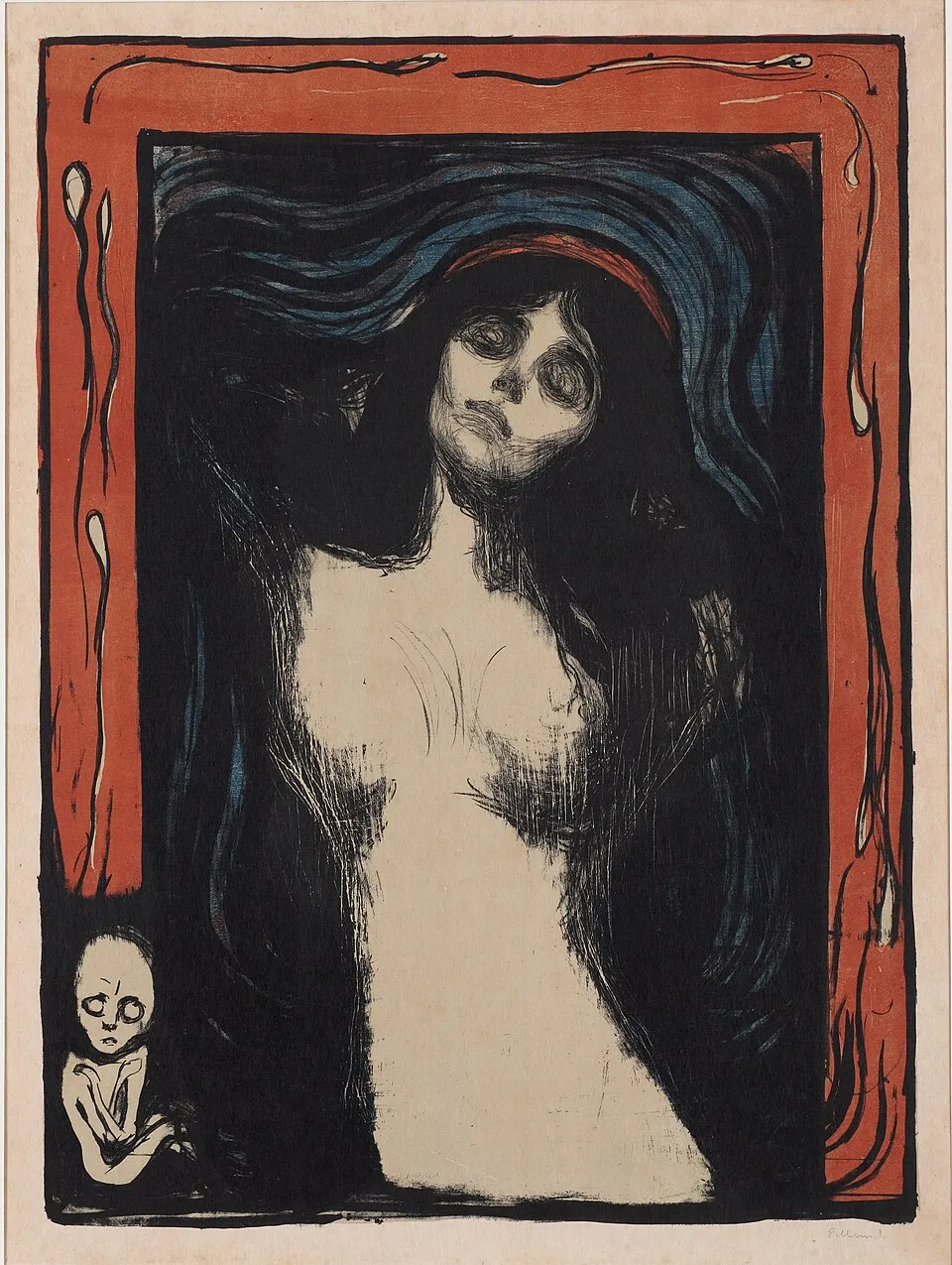 Madonna1895–1902
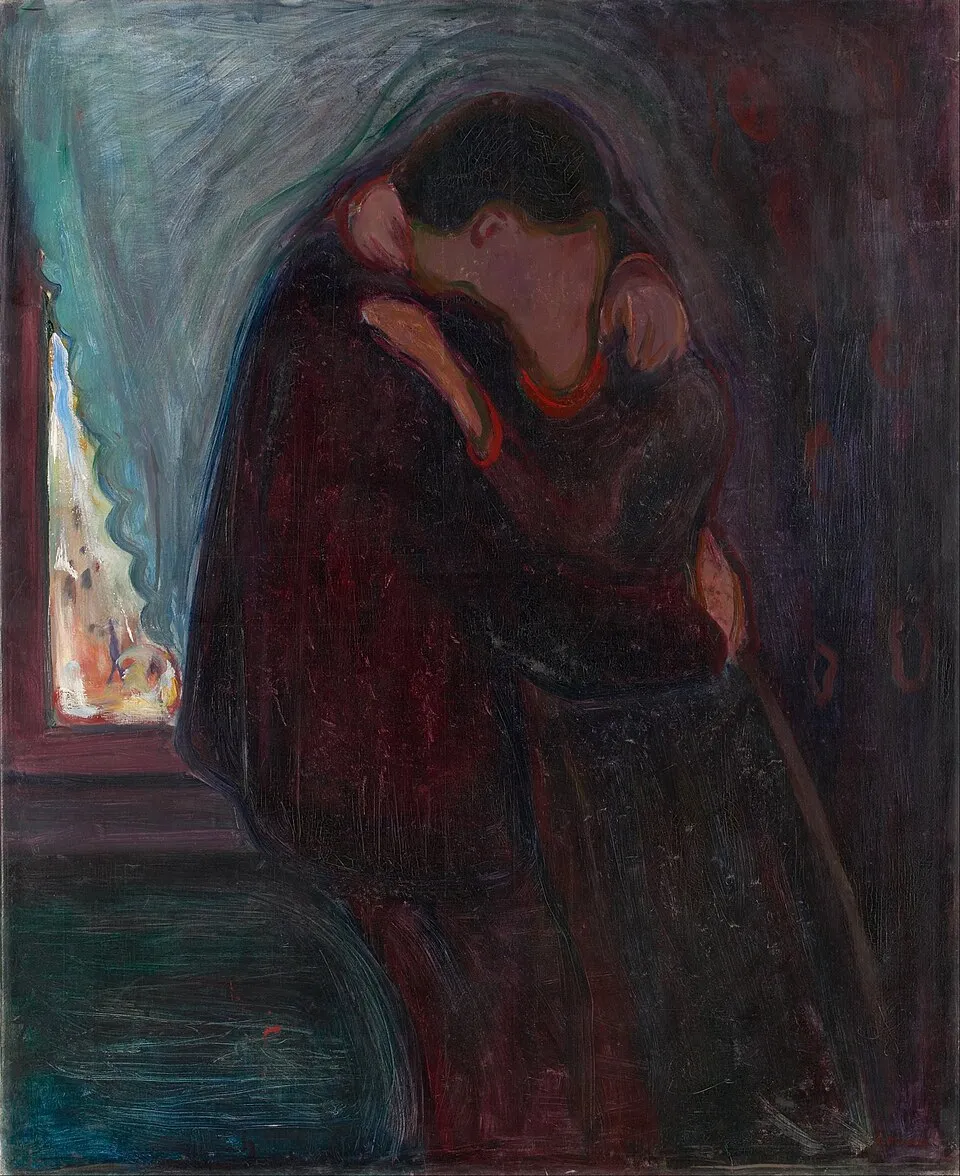 The Kiss
Life and work
Edvard Munch was born in Ådalsbruk, Norway, in 1863 and died at Ekely in 1944. Over a long career he moved from naturalistic beginnings to become a central figure of Symbolism and a key forerunner of Expressionism, and the works in this gallery trace that path. Early pictures such as Morning (1884) show a painter working from observed light and everyday interiors. The Sick Child (1885–1886) already breaks with polished finish: its scraped, reworked surface carries as much feeling as the scene itself. Around 1890 his work turns inward. Night in Saint-Cloud (1890) and Melancholy (1892) use dim rooms, shorelines and isolated figures to suggest moods rather than tell stories. In the mid-1890s came the images most closely tied to his name, including The Scream, Anxiety, Vampire, Madonna, Jealousy and Separation. He conceived these themes of love, fear and death as a connected cycle, often called the Frieze of Life, and Dance of Life (1899–1900) gathers many of them into a single shoreline scene. Munch returned to his motifs again and again, making new painted and printed versions years later, as the 1910 Scream and the later Starry Night (1922–1924) show. Self-portraits run through the whole gallery, from Self-Portrait with Burning Cigarette (1895) to Self-Portrait. Between the Clock and the Bed (1940–1944).
The Scream (1893), National Museum of Art, Architecture and Design
Start with the figure in the foreground: hands pressed to the head, the body reduced to a wavering, almost skull-like form. Then follow the lines outward. The straight diagonal of the railing drives into the picture, while the sky and fjord behind dissolve into curving bands of red, orange and blue. That clash between rigid geometry and swirling landscape is the source of the tension. Notice the two figures walking calmly further back, apparently untouched by whatever the foreground figure experiences. The sketchy handling and visible board are part of the effect, not signs of an unfinished work.
Self-Portrait. Between the Clock and the Bed (1940–1944), Munch Museum
In one of his last self-portraits, Munch shows himself as an old man standing stiffly in a narrow space between a tall clock and a bed. Look at the clock face: it has no hands, a quiet reference to time running out. The bed, with its patterned cover, has long been read as a reminder of illness and death. Behind him, a bright room is hung with paintings, suggesting the body of work he is leaving behind. Compare the warm, high-keyed colour here with the darker palette of the 1890s pictures elsewhere in the gallery.
Where to see the paintings
| National Museum of Art, Architecture and Design | |
|---|---|
| J. Paul Getty Museum | |
| Munch Museum |


Works may be off view or on loan. See each painting’s page for museum details.
Sources
- Wikidata Q41406
- Images: Wikimedia Commons (public domain / CC0); sources on each painting’s page