Gustav Klimt
1862–1918 · Symbolism, Art Nouveau, Jugendstil
Gustav Klimt (1862-1918) was an Austrian painter associated with Symbolism, Art Nouveau and Jugendstil. His paintings join flat, jewel-like ornament with sensitively modelled faces and bodies, a balance best seen in The Kiss and Judith I at the Belvedere.
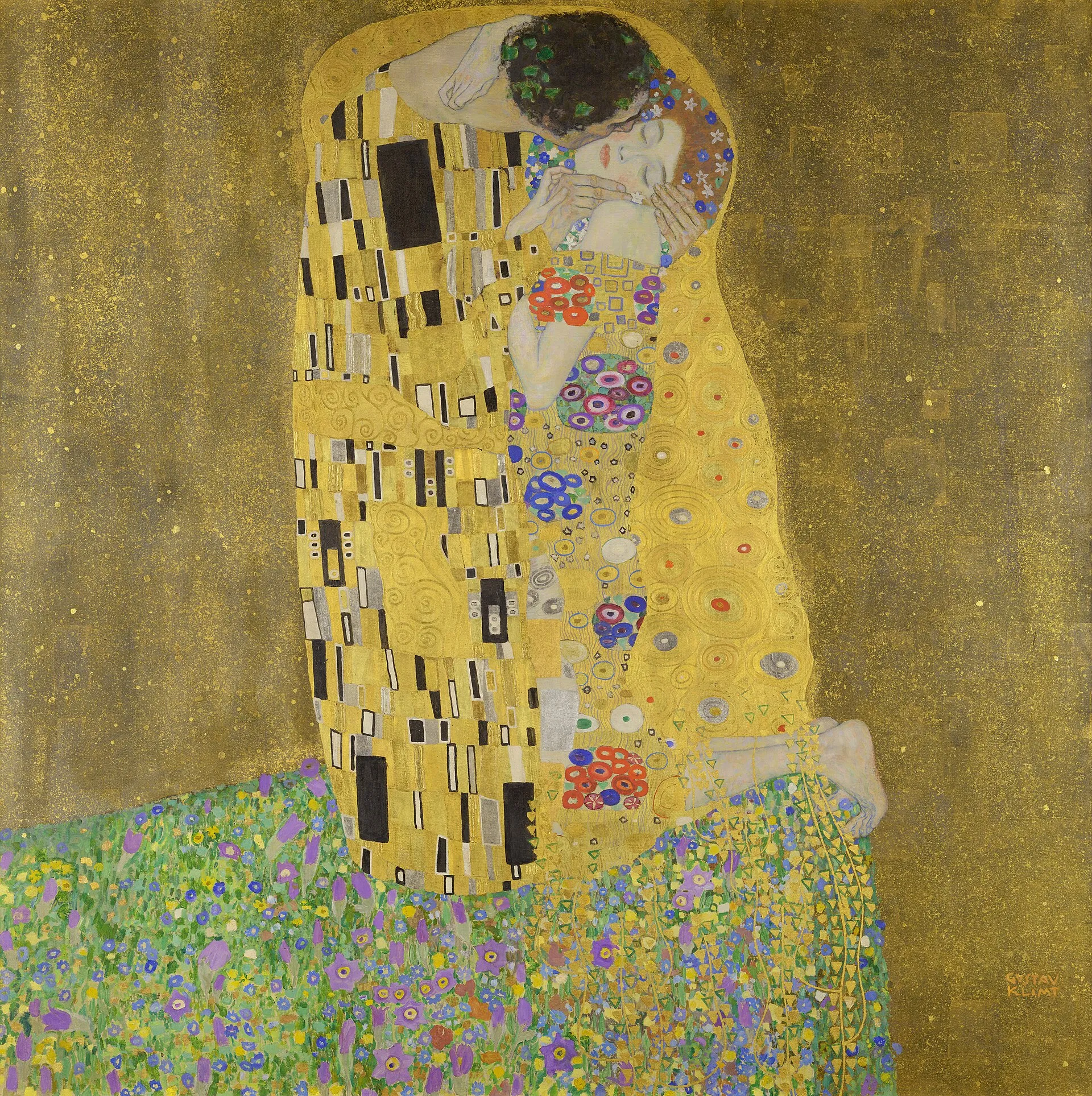 The Kiss1908 · Belvedere
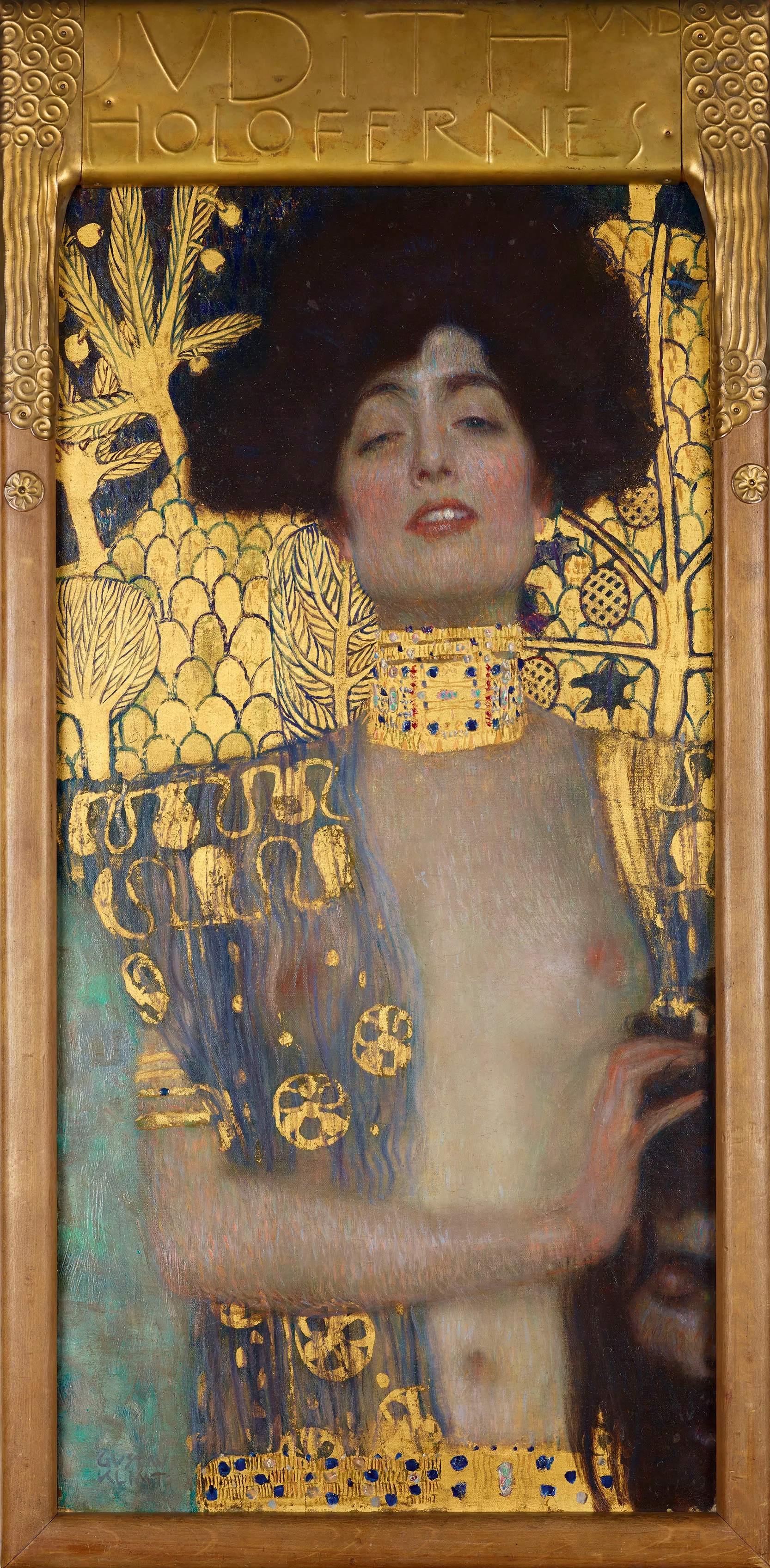 Judith I1901 · Belvedere
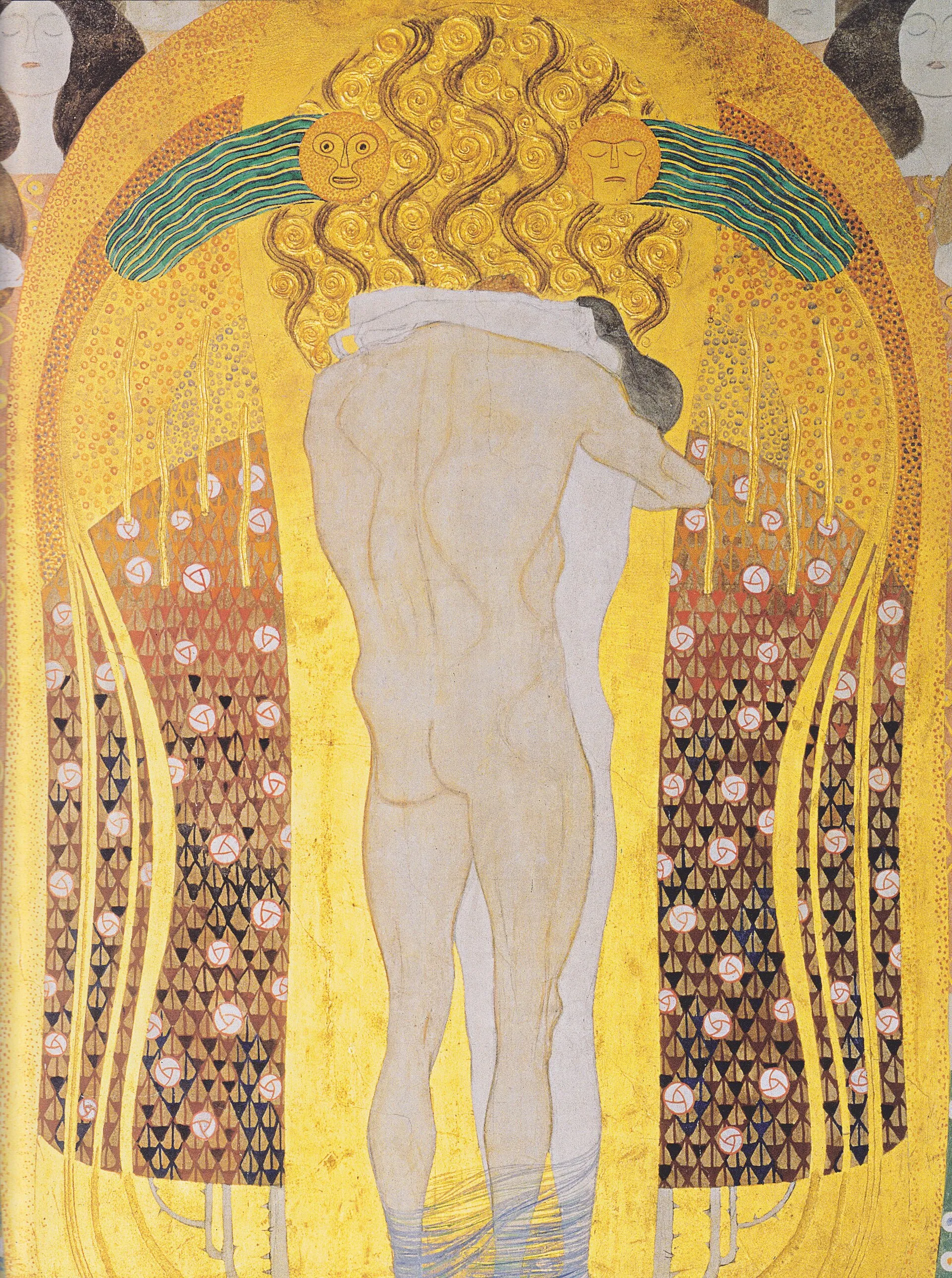 Beethoven Frieze1901–1902 · Belvedere
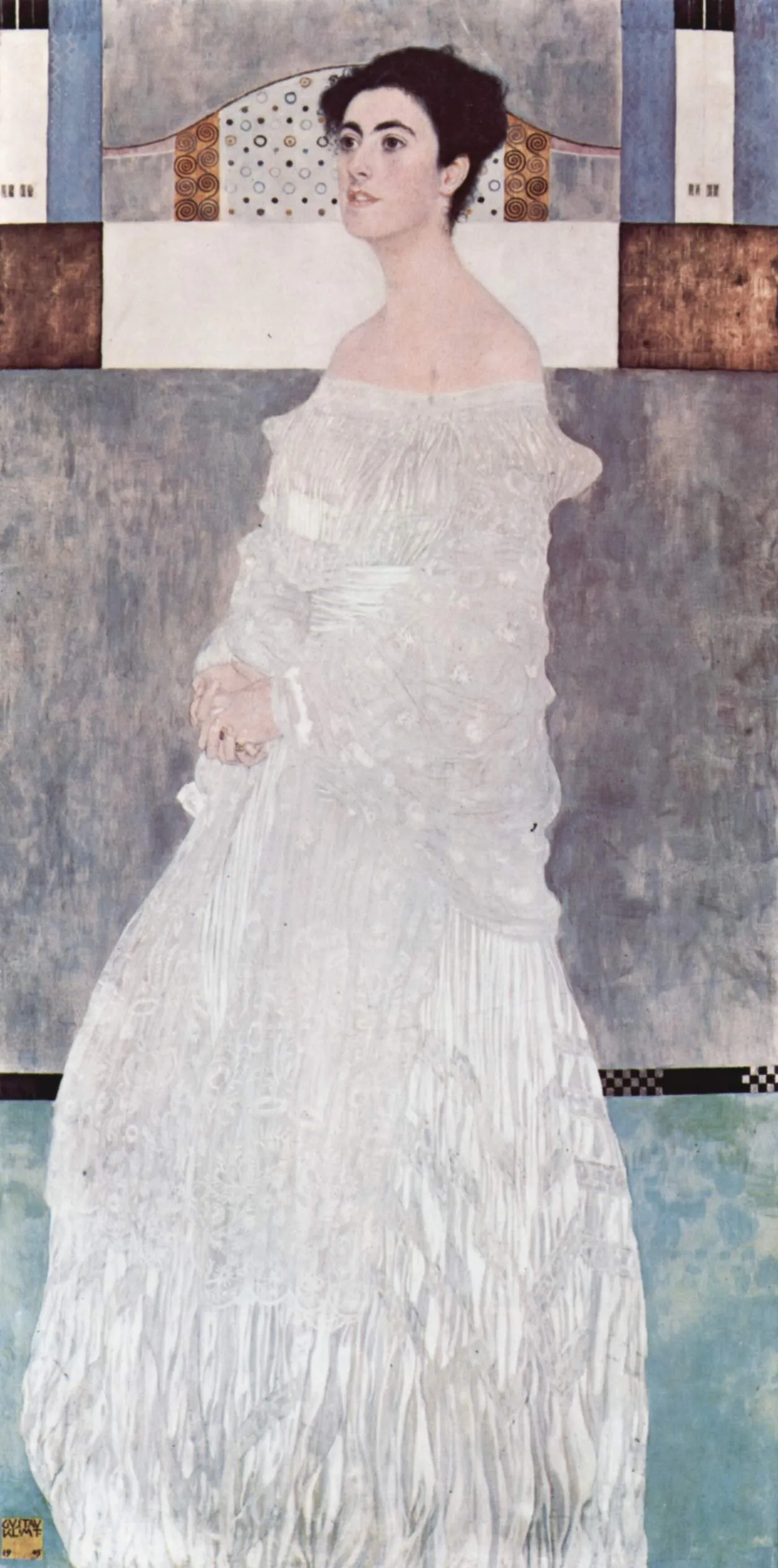 Portrait of Margaret Stonborough-Wittgenstein1905
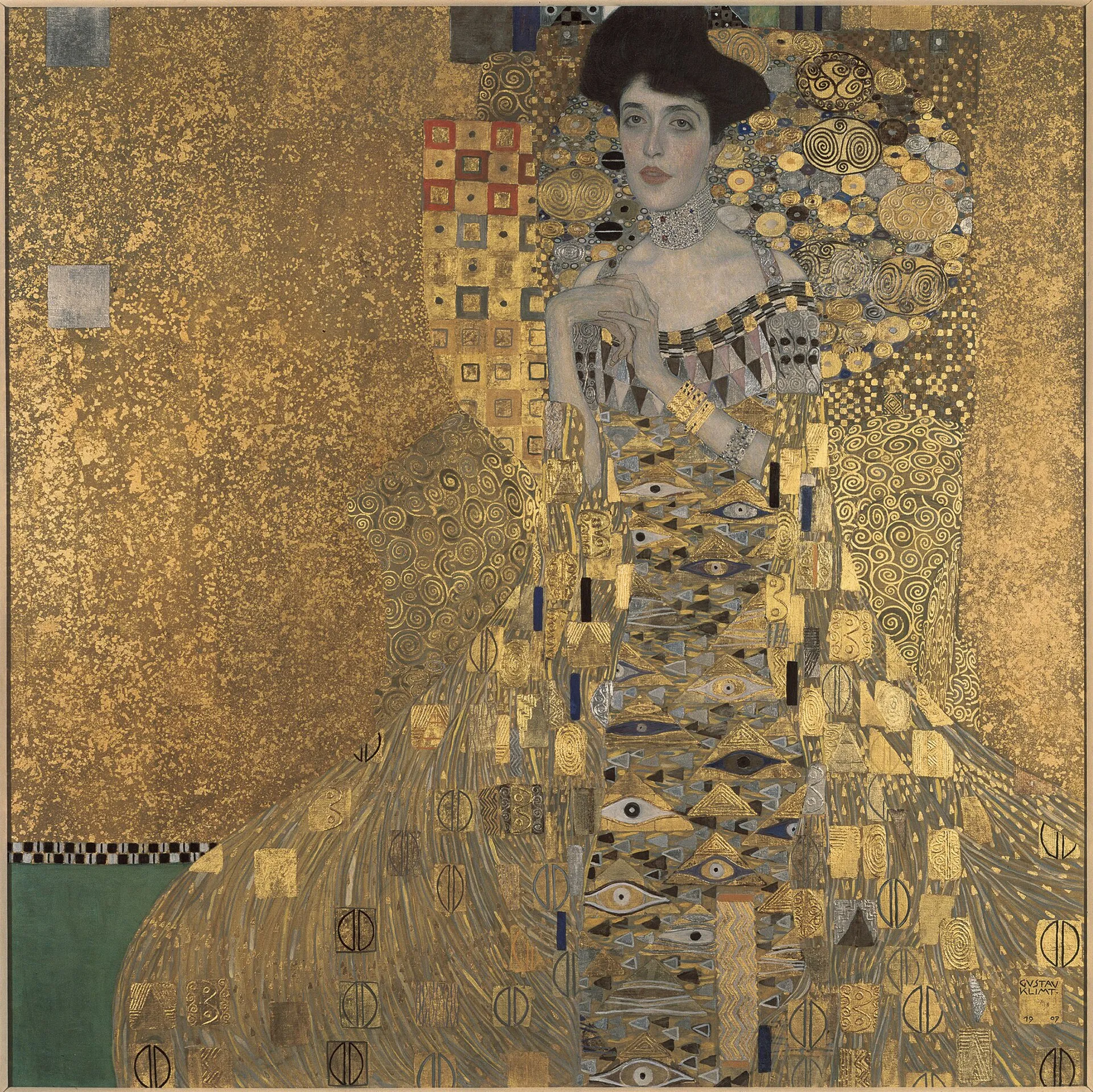 Portrait of Adele Bloch-Bauer I1907
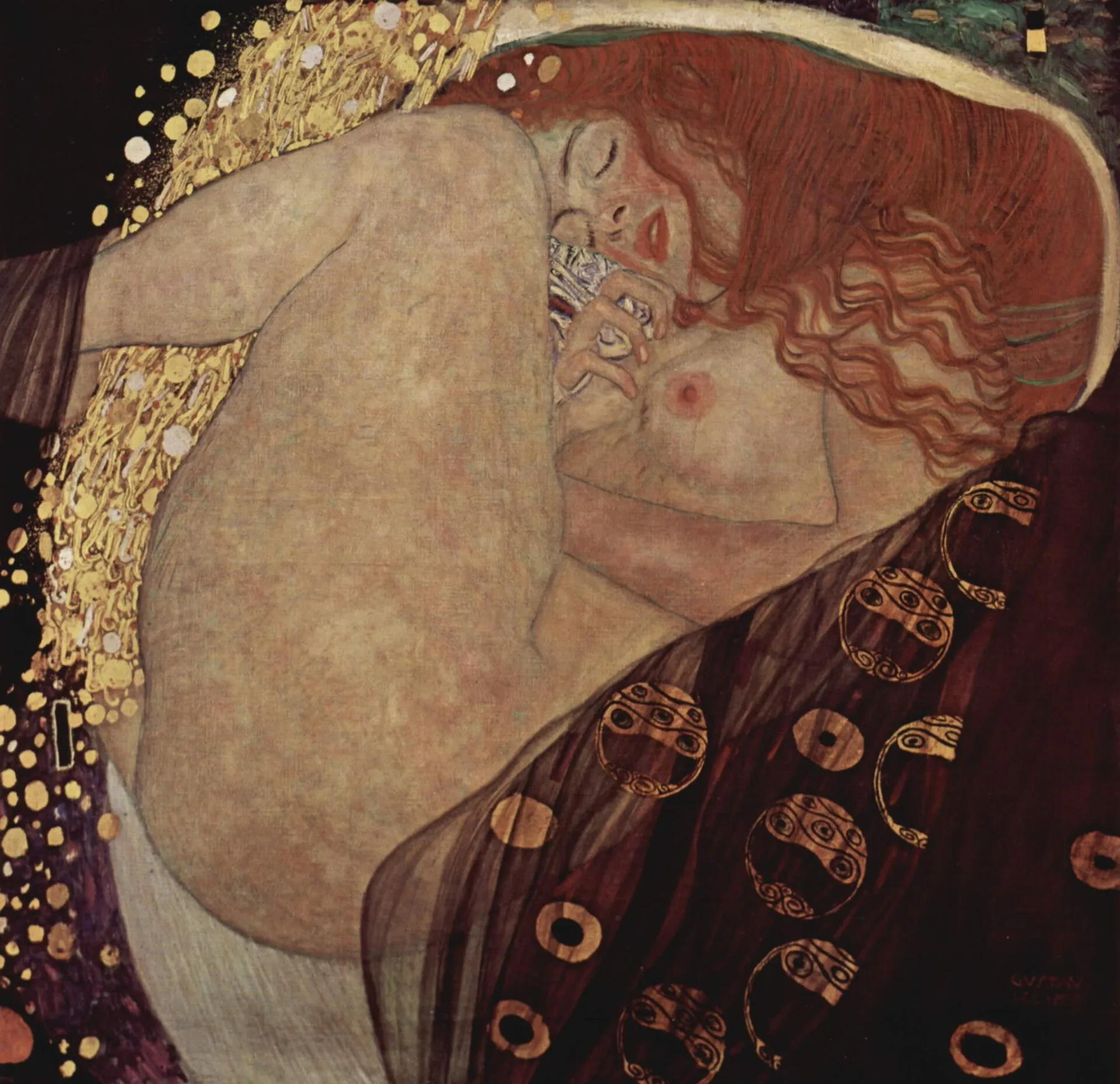 Danaë1907–1908
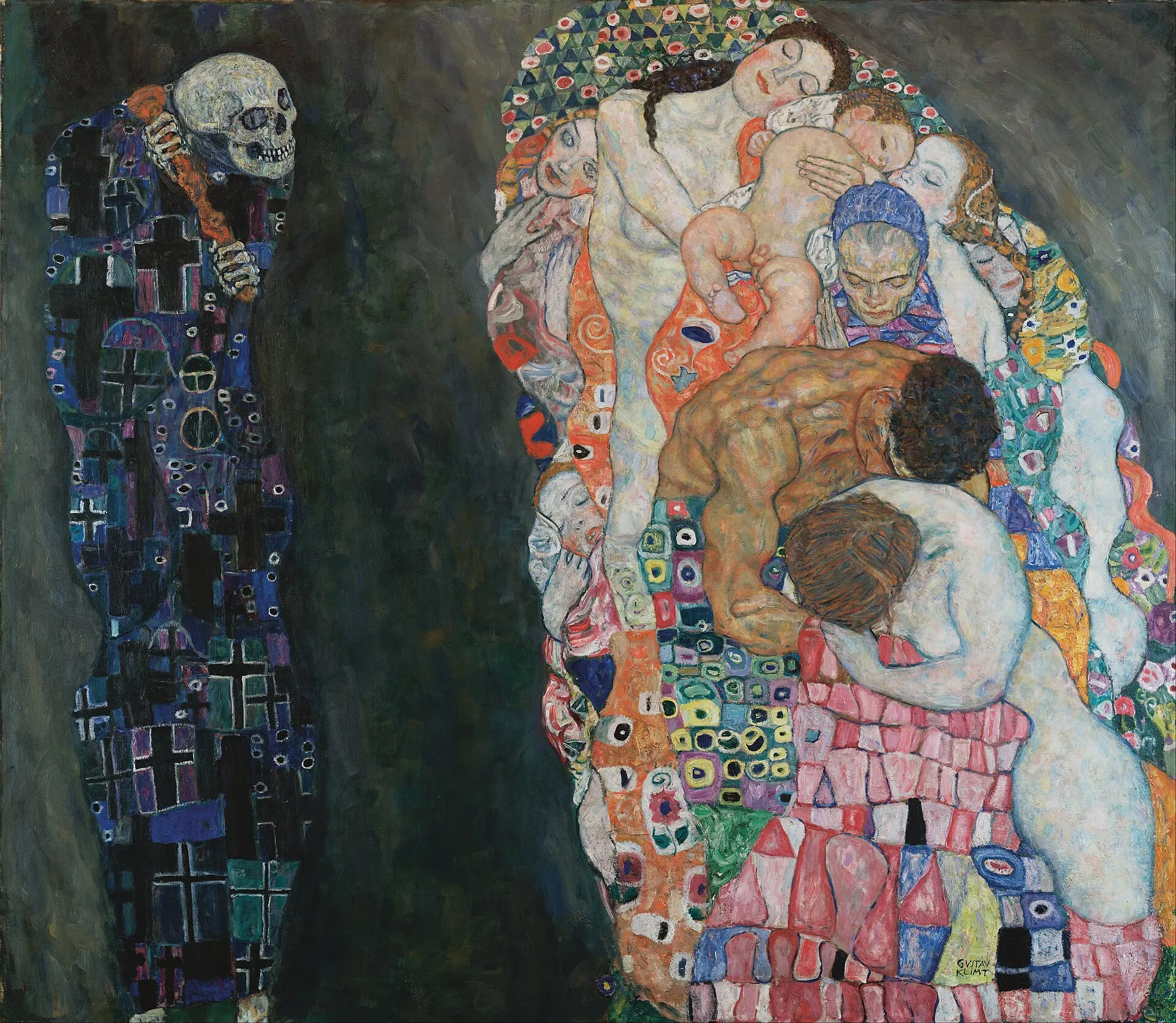 Death and Life1915
 The Hydra1904–1907
 Portrait of Fritza Riedler1906
 The Virgins1906
 Judith1909
 Mäda Primavesi1912
Life and work
Gustav Klimt was born in Baumgarten in 1862 and died at the Altes AKH in 1918. Over his lifetime the state he belonged to changed form and name, which is why his nationality is recorded as the Austrian Empire, Cisleithania and Austria. He began his career in decorative and architectural painting, and that training stayed with him. Even in his most personal pictures he thinks like a designer, treating the whole surface as a unified, patterned field. Klimt is placed within Symbolism and within Art Nouveau, known in German-speaking lands as Jugendstil. From Symbolism came his recurring themes: love, desire, death and the cycle of life, often shown through allegory and myth. From Art Nouveau and Jugendstil came the flowing lines, stylised motifs and the idea that fine and decorative art need not be separated. His best-known phase is often called his golden period, when gold and metallic tones became central to works such as The Kiss and the Portrait of Adele Bloch-Bauer I. Alongside these celebrated images he was a sought-after portraitist of women, and he also painted large allegorical compositions and a monumental frieze dedicated to Beethoven. His later work tends toward brighter colour and denser, mosaic-like patterning.
Gold, pattern and the body in The Kiss
At the Belvedere, stand back first and then move close. From a distance The Kiss reads as a single golden shape, the two lovers almost merged into one form. Up close, notice how Klimt separates them through ornament: rectangular blocks on the man's robe, circles and flowers on the woman's dress. The faces, hands and feet are painted softly and naturalistically, contrasting with the flat, shimmering surfaces around them. Look also at the flowered ground at the edge where they kneel, and at how the gold appears both as paint and as applied surface that changes as you shift position.
Judith I and the Beethoven Frieze
Judith I, also at the Belvedere, shows the biblical heroine as a seductive, self-possessed figure, a typical Symbolist reworking of an old subject. Notice the half-closed eyes and parted lips, and how the gold choker and background press the figure toward the viewer. The head of Holofernes is easy to miss at the lower edge. The Beethoven Frieze, listed in the same collection, is meant to be read in sequence like a story, across long stretches of wall. Follow the floating figures and the large empty areas Klimt leaves between dense, ornamental clusters; the pauses matter as much as the details.
Where to see the paintings
| Belvedere |
|---|


Works may be off view or on loan. See each painting’s page for museum details.
Sources
- Wikidata Q34661
- Images: Wikimedia Commons (public domain / CC0); sources on each painting’s page