Charles Le Brun
1619–1690 · Classicism, Baroque
Charles Le Brun (1619-1690) was the dominant painter of Louis XIV's France, and his work joined classical order with Baroque grandeur. This gallery covers his history paintings, state portraits and royal allegories. The table shows where each work can be seen today.
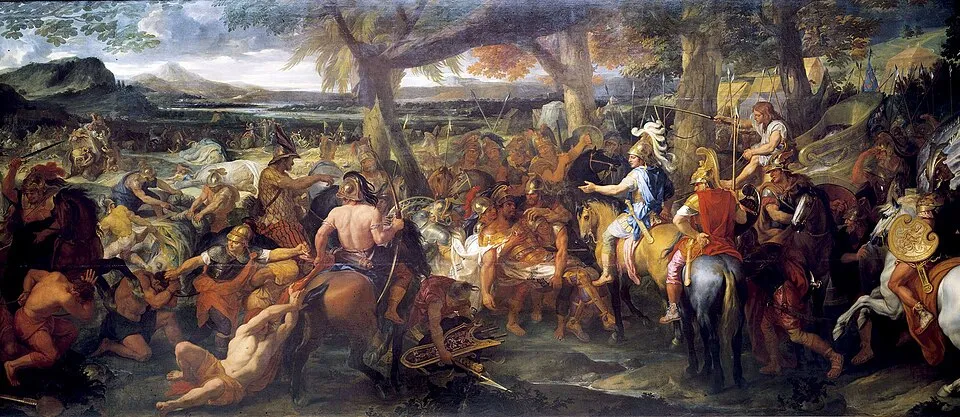 Alexander and Porus1673
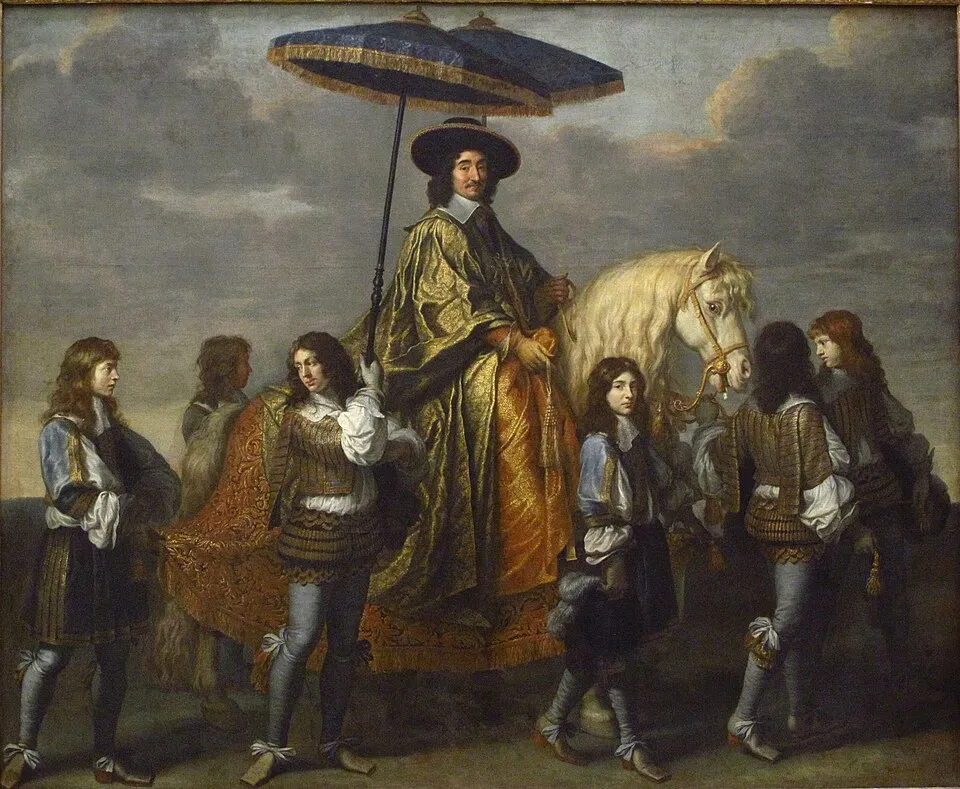 Chancellor Séguier1655–1661
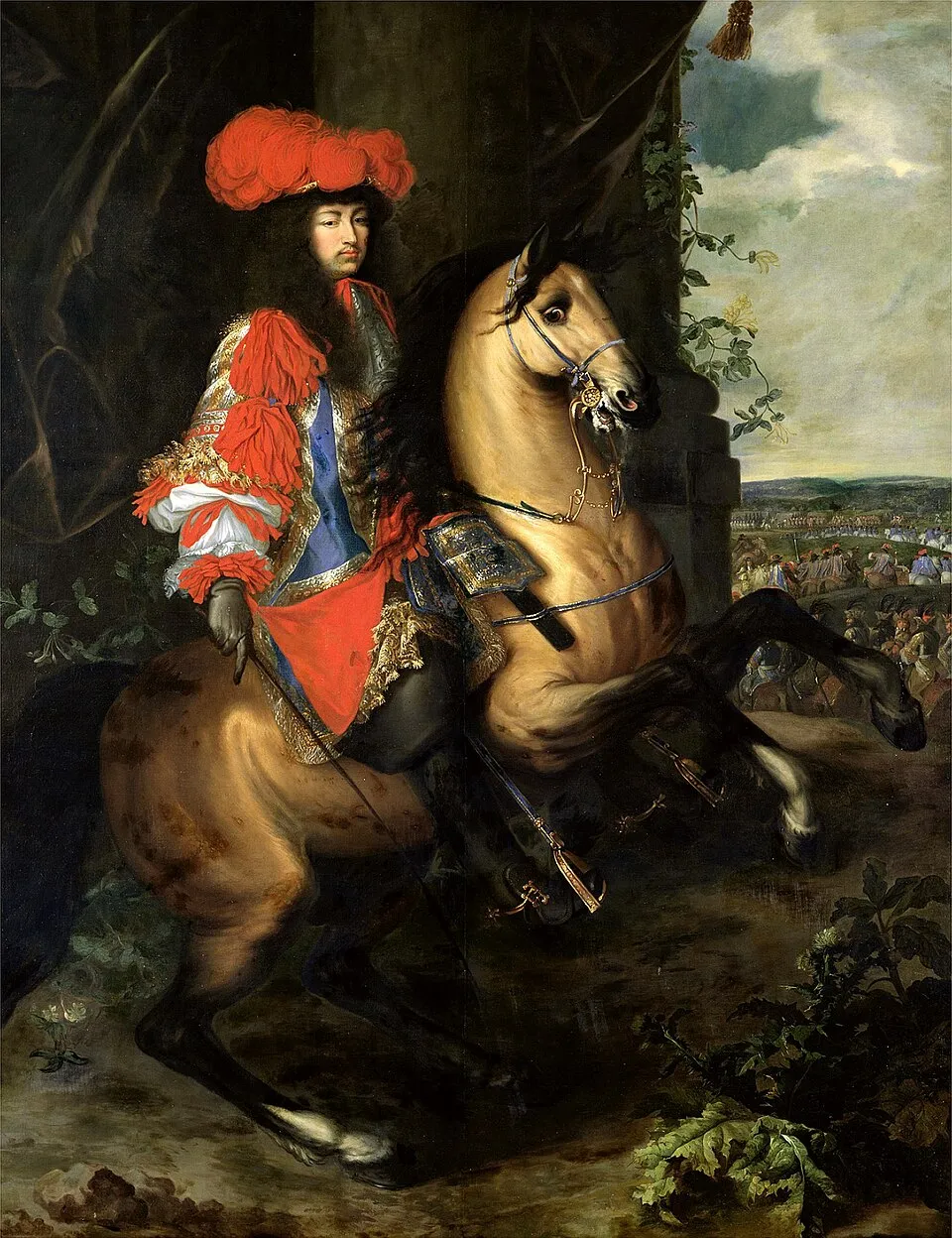 Equestrian portrait of Louis XIV of France
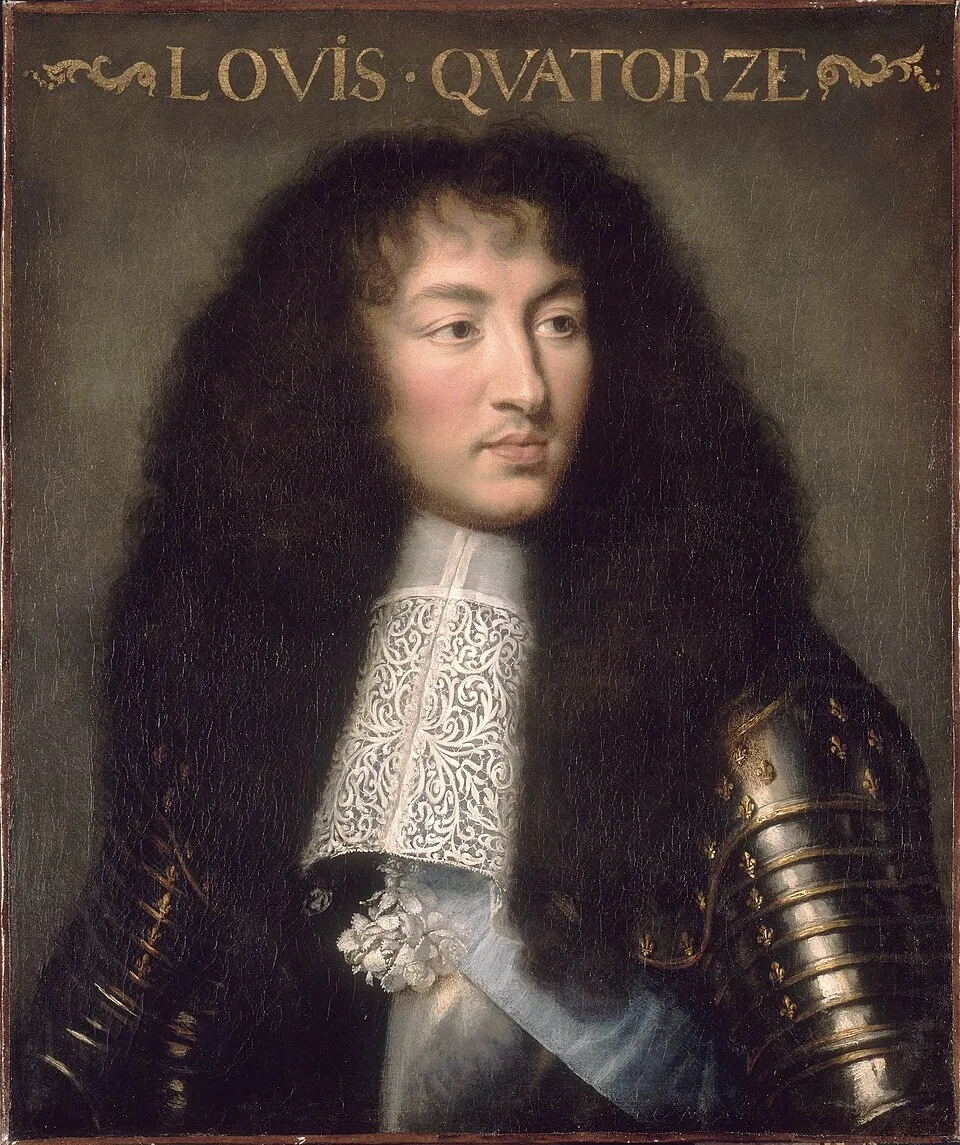 Portrait of Louis XIV1661
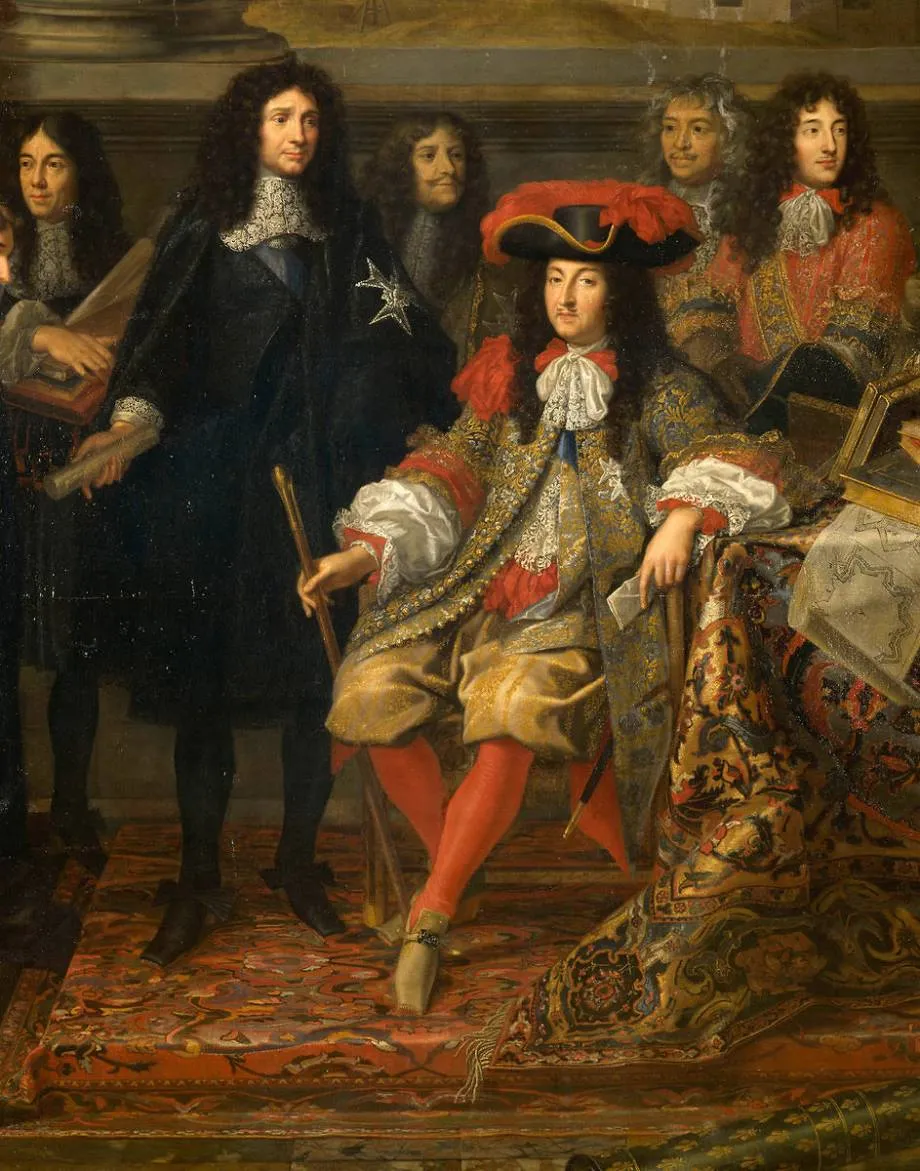 Establishment of the French Academy of Sciences and of Paris Observatory1667
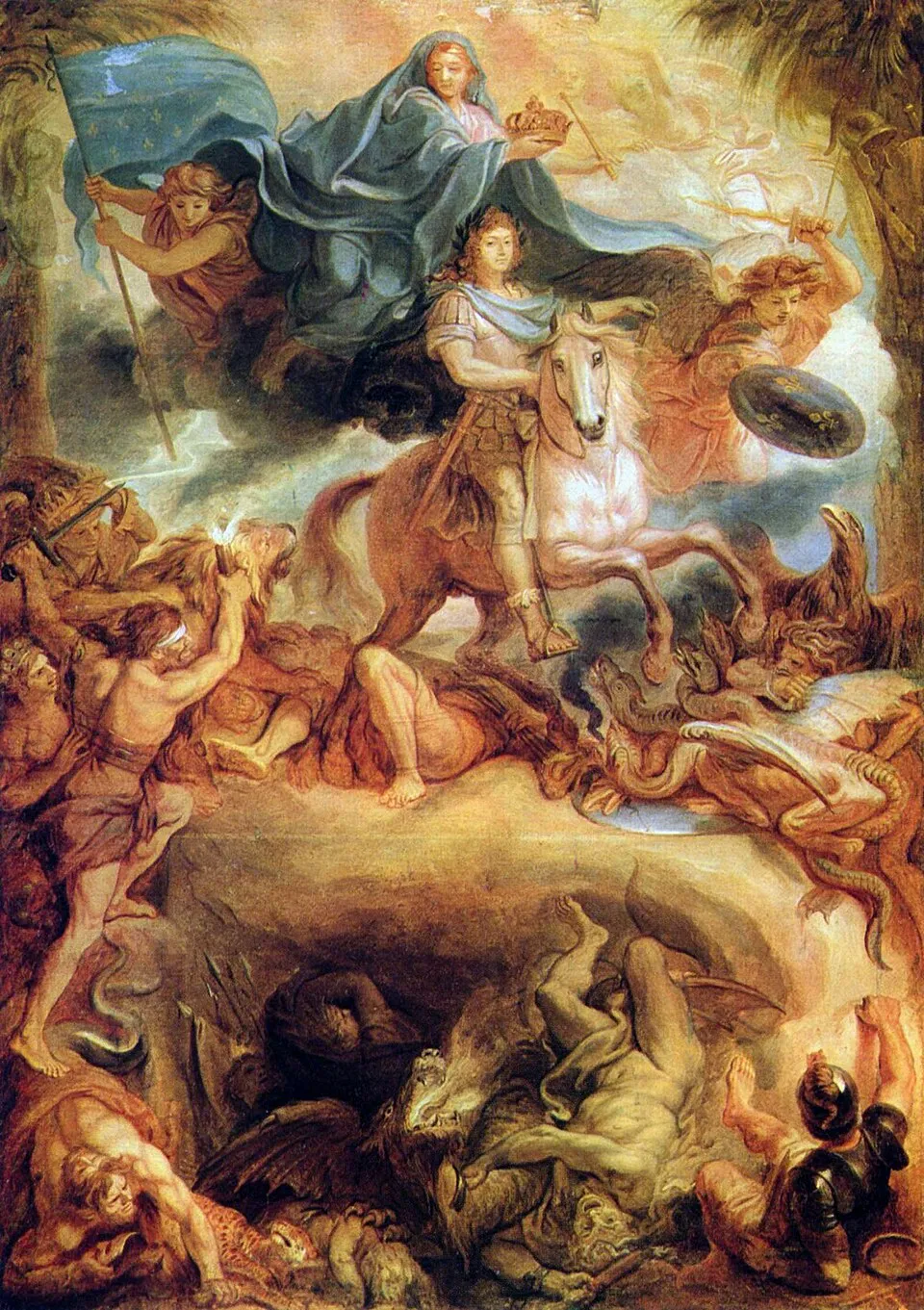 Apothéose de Louis XIV1677
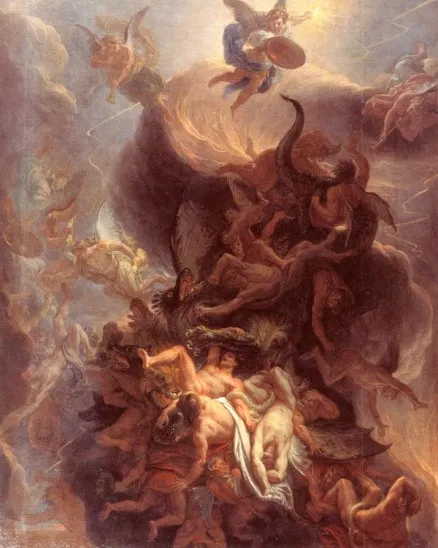 La chute des anges rebelles
Life and work
Charles Le Brun was born in Paris in 1619 and died there in 1690. He became the most powerful artist in France during the reign of Louis XIV, holding the title of First Painter to the King. He shaped the look of royal art across painting, tapestry, furniture and interior decoration. His early career was supported by Pierre Séguier, Chancellor of France, whose portrait appears in this gallery. Le Brun absorbed the lessons of classical antiquity and of Nicolas Poussin, whose clear compositions and moral seriousness left a lasting mark on him. He combined that discipline with the scale, movement and theatrical effects associated with the Baroque, which is why his work is described under both Classicism and Baroque. He was a founding member and later a leading figure of the royal Academy of Painting and Sculpture. There he helped set out principles for history painting and for showing the passions through facial expression, and his lectures on expression became influential teaching material. Working closely with the minister Jean-Baptiste Colbert, he directed teams of painters, weavers and craftsmen who produced decorations for the royal residences. His large narrative canvases, such as the History of Alexander series, presented the ancient conqueror as a mirror for the French king. After Colbert's death, his influence declined as rival painters gained favour at court.
Alexander and Porus (1673): clemency as the climax
This vast scene from Le Brun's Alexander series shows the wounded Indian king Porus brought before Alexander after his defeat. Notice how the composition leads your eye from the crowded, smoky battlefield to the central exchange between the two rulers. Alexander's gesture of mercy carries the moral point: the conqueror honours a brave enemy. Look closely at the many faces around them, each showing a different reaction. They apply Le Brun's interest in expressing the passions. The painting also worked as flattery, inviting viewers to compare Alexander's magnanimity with that of Louis XIV.
Chancellor Séguier (1655-1661): a portrait as procession
The chancellor rides at a slow, ceremonial pace on a pale horse, shaded by parasols held by pages walking beside him. Compare Séguier's calm, aged face with the lively, individualised youths around him in their rich costumes. The frieze-like arrangement, with figures spread across the picture plane, reflects Le Brun's classical training. The shimmering fabrics and warm light show a Baroque taste for splendour. The work is also a tribute to his early patron, presenting him as a dignified statesman rather than a warrior.
Sources
- Wikidata Q271676
- Images: Wikimedia Commons (public domain / CC0); sources on each painting’s page